
News
JDPMC Tasks Osun Stakeholders On Credible 2027 Elections, Unveils Vigilance Dashboard
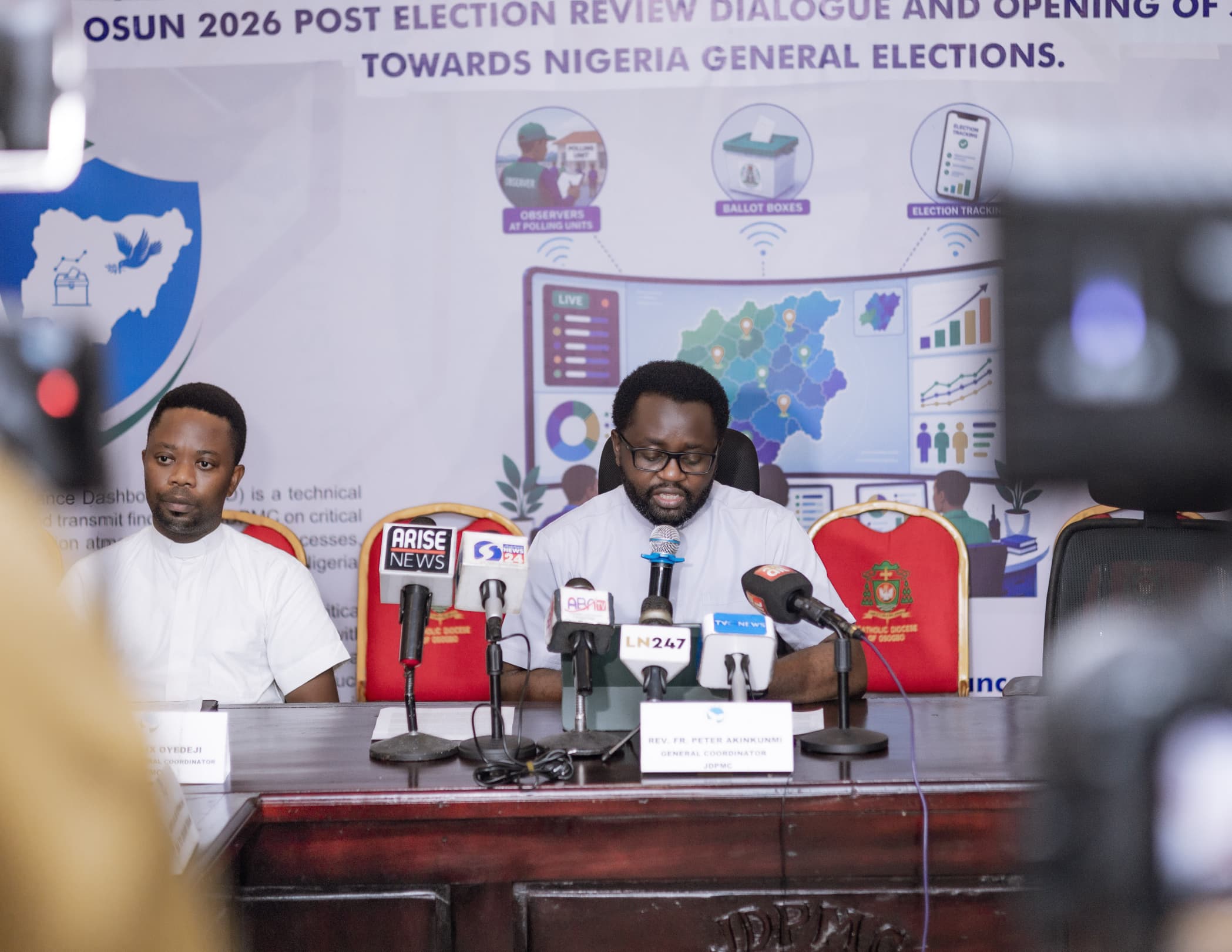
The Justice Development and Peace Makers Centre (JDPMC) has called on electoral stakeholders in Osun State to address the shortcomings identified in the 2026 governorship election and work towards delivering more credible, peaceful and inclusive elections in the 2027 general elections.
The organisation also stressed the need for continuous collaboration among the Independent National Electoral Commission (INEC), security agencies, political parties, civil society organisations, religious leaders and the media to safeguard the state’s democratic gains.
The General Coordinator of JDPMC, Rev. Peter Akinkunmi, made the call during a post-election stakeholders’ review dialogue organised by the centre in Osun State, alongside the unveiling of its JDPMC Election Vigilance Dashboard (JEVID 2027).
Akinkunmi said the dialogue was organised to provide an opportunity for stakeholders to objectively assess the 2026 governorship election, identify areas requiring improvement and develop strategies for preventing electoral violence ahead of the 2027 general elections.
He described the outcome of the last governorship election as a significant democratic achievement, considering the tense and violent atmosphere that characterised the pre-election period.
According to him, despite the threatening political atmosphere before the election, the exercise eventually witnessed a relatively peaceful election day, widespread voter participation and acceptance of the outcome by major contestants.
He said, “The same election that eventually, by majority perception, is acknowledged as one of the most participatory off-cycle elections in recent Nigerian history, was one in which the people freely voted their choices and defended their votes despite bullying, threats and shameful inducements.”
The JDPMC coordinator, however, warned that the relatively peaceful outcome should not make stakeholders overlook the challenges and shortcomings that characterised the electoral process.
He said, “We cannot just go about business as usual simply because the election has ended well and everyone appears satisfied. We rather have the obligation to revisit the process, interrogate and understand in clear terms why and how the bloody pre-election atmosphere eventually led to a peaceful election day.”
Akinkunmi maintained that a proper assessment of the election would help stakeholders develop strategies capable of preventing a recurrence of electoral violence, particularly as the 2027 general elections approach.
He expressed concern over discrepancies in figures of reported killings and differences between the accounts of security agencies and political actors regarding violent incidents.
He also criticised what he described as the slow communication of security agencies on reported incidents, warning that delayed public information could create room for political actors to impose partisan interpretations on security developments.
“If the gap in communication remains like this into the heat of the campaign, politicians may fill in the gap with politically coloured reports, leaving the police to struggle to correct the impression,” he said.
The JDPMC coordinator further raised concerns about the leadership vacuum within the Inter-Party Advisory Council (IPAC) and the possible implications of political alignments involving major parties on the level playing field for other contestants in the state.
He urged participants to engage in frank and constructive discussions, stressing that the objective was to strengthen democratic institutions rather than defend individual interests.
Also speaking, the Osun State Director of the National Orientation Agency (NOA), Mr. Stephen Adebiyi Adefarasin, said the agency played critical roles in voter education, public enlightenment and the promotion of peaceful participation before, during and after the governorship election.
Adefarasin explained that NOA conducted sensitisation campaigns across the 30 local government areas of the state on Permanent Voter Card collection, continuous voter registration, polling unit locations and the dangers of vote-buying.
He said the agency also translated voter education materials into Yoruba and Pidgin English to improve grassroots participation.
According to him, “We told the people: Say no to vote-buying. Your vote is not for sale. Your vote, your power. Your future.”
He identified persistent vote-buying, voter apathy among some women and youths, the spread of fake results on social media and misunderstanding of election technology among rural voters as some of the challenges observed during the exercise.
The NOA director called for continuous voter education, stronger collaboration among INEC, civil society organisations and other stakeholders, as well as increased engagement of traditional and religious institutions as peace ambassadors.
He also advocated more aggressive campaigns against misinformation and fake news, particularly on social media.
In her remarks, the Osun State Resident Electoral Commissioner of INEC, Barrister Toyin Babalola, said the commission’s regular engagement with the media, civil society organisations and other critical stakeholders contributed significantly to the peaceful conduct of the election.
Babalola said INEC also engaged transport operators and road safety officials while embarking on extensive voter education through different communication channels.
She disclosed that the commission had commenced internal capacity-building programmes for its personnel to sustain and improve the standards achieved during the 2026 governorship election.
“We are doing this to ensure that we do not go below the standard we have set during the governorship election,” she said.
Similarly, the representative of the Osun State Commissioner of Police, Ibrahim D. Zungura, CSP Bodunde Femi, assured residents of adequate security before, during and after future elections.
The dialogue attracted representatives of political parties, religious organisations, civil society groups, the media, traditional institutions and other stakeholders.
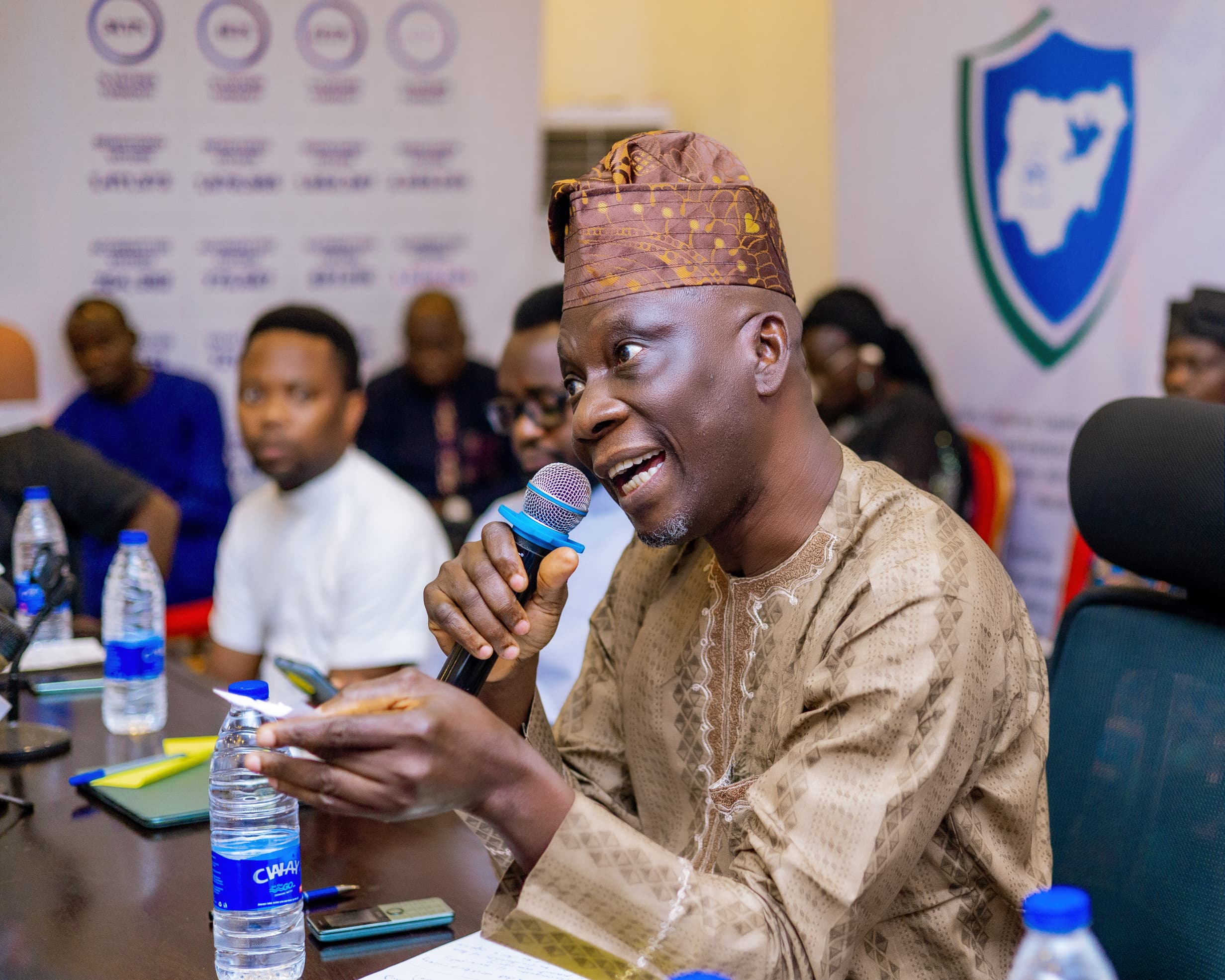
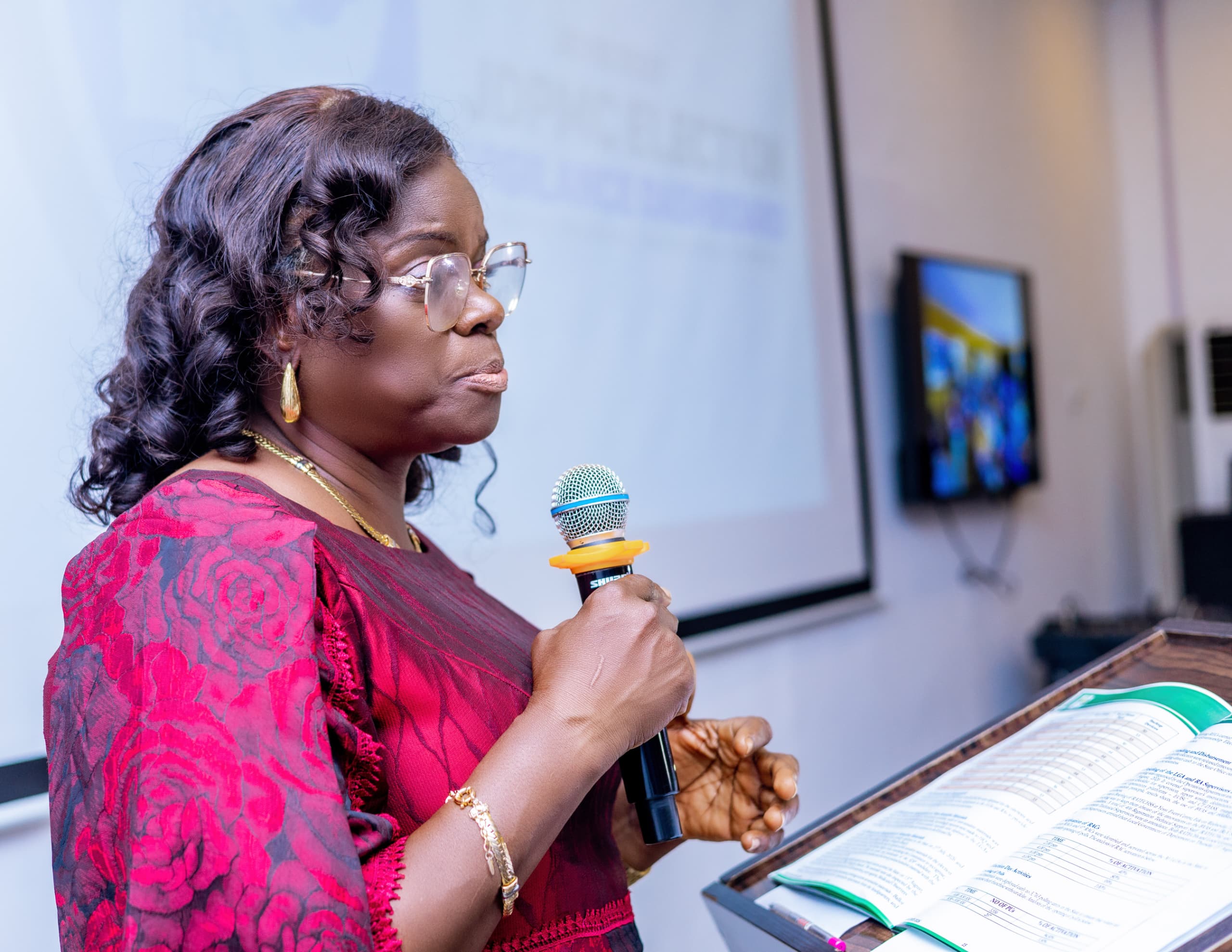
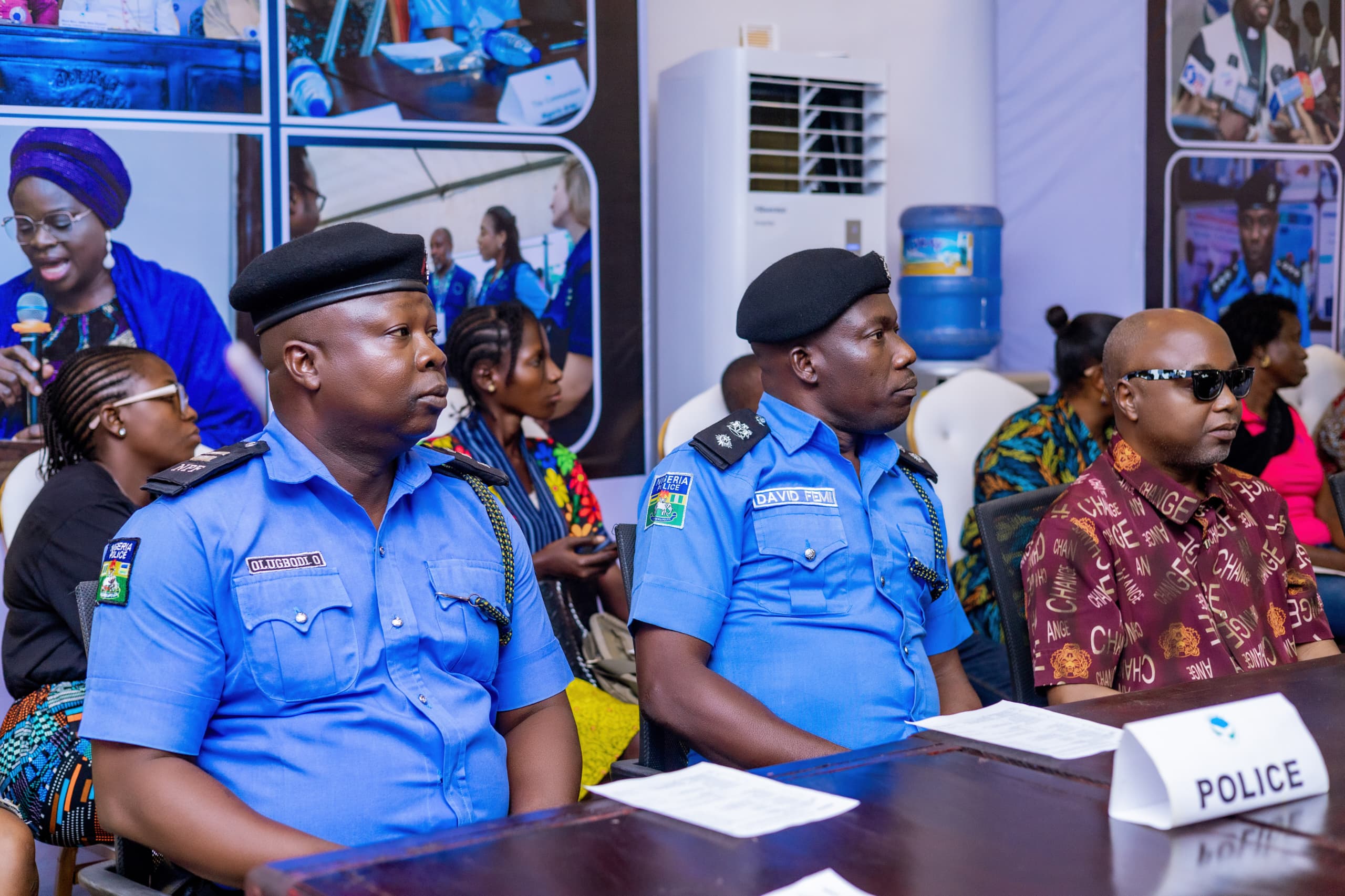
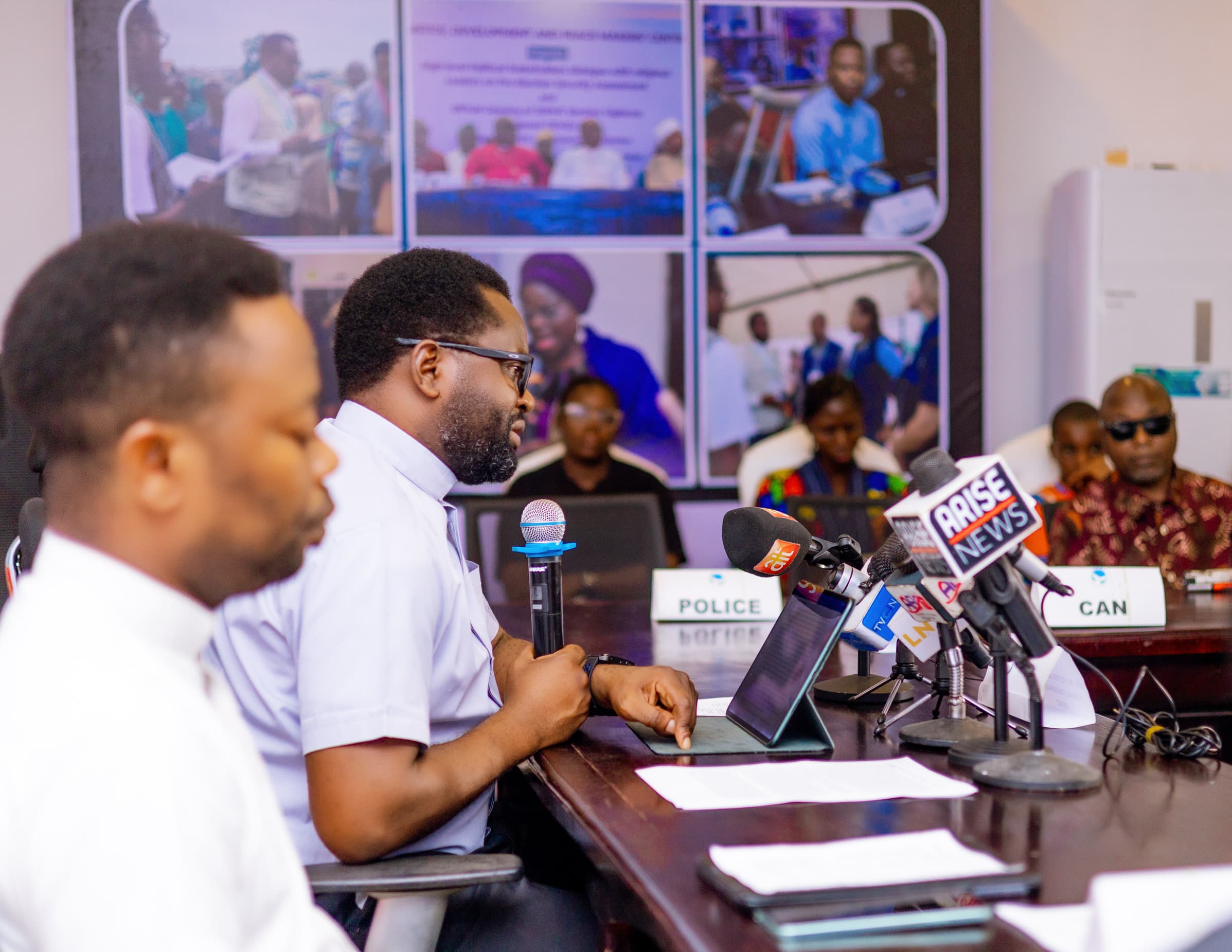
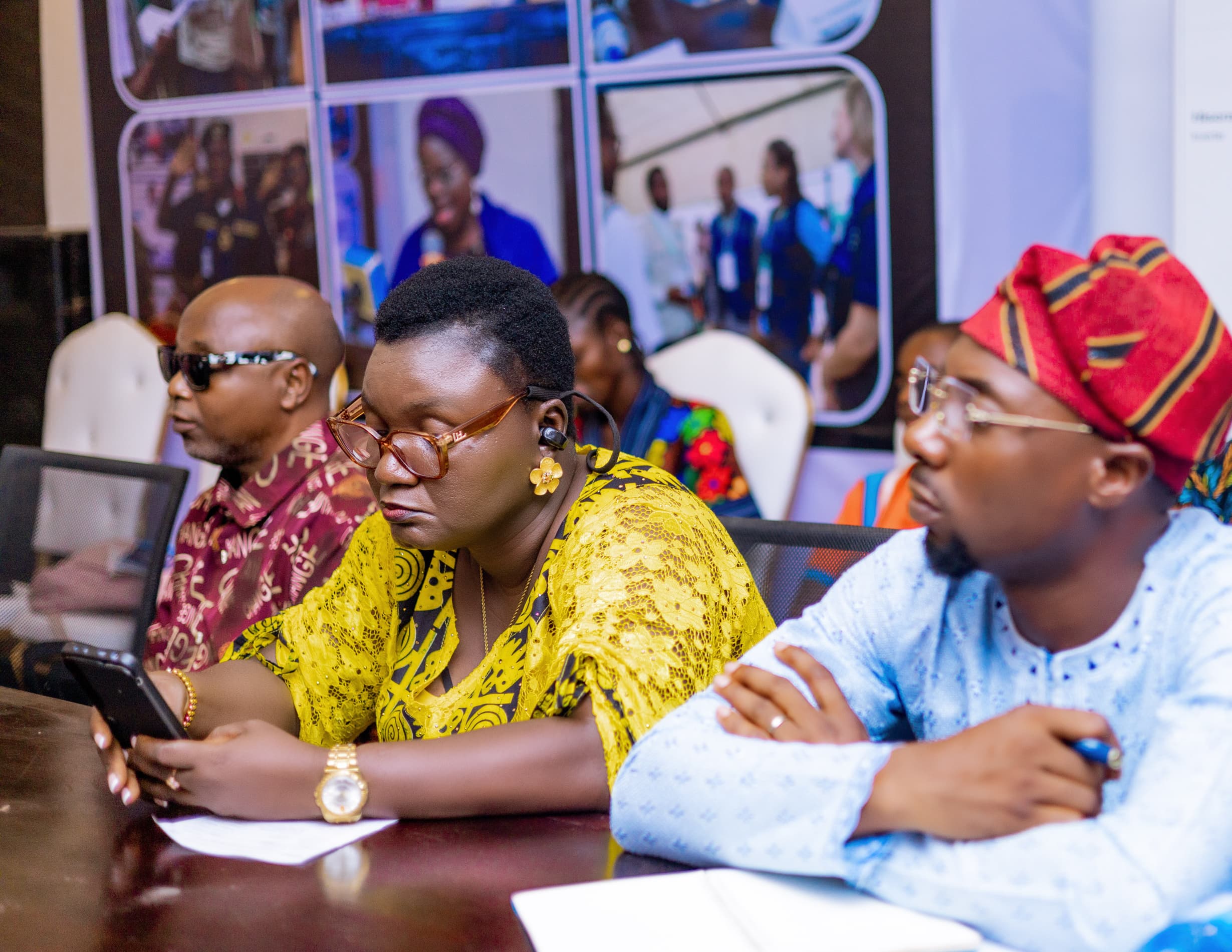
Among those represented were Osun State CAN Chairman, Rev. Dr. John Adeleke; the Chief Imam of Osogbo and Chairman of the League of Imams and Alfas in Osun State, Sheikh Musa Animasahun; and representatives of INEC, NOA and the police, Civil Society Organisations among others.











JDPMC Tasks Osun Stakeholders On Credible 2027 Elections, Unveils Vigilance Dashboard

Oluwo: Nigerians Differ Over Osun Govt’s Warning To Iwo Monarch

2027: Osun APC West Stakeholders Back Adeleke-Led Tinubu Reelection Campaign

Don’t Send Just Anybody To Abuja, Elect KRAD’ – Makinde Tells Osun Central

Osun’s 32nd Position In BudgIT Fiscal Ranking Exposes Adeleke’s Economic Failure – DLA

Igbajo Achievers Lions Club Screens Over 200 Osogbo Pupils, Raises Alarm Over Childhood Blindness
-

 News2 days ago
Golden Jubilee: Osun Deputy Governor Launches ₦50m School Project At ACGS Ikirun
-

 News3 days ago
Academic Integrity: University Don Raises Alarm Over Plagiarism, AI Misuse
-
 News4 days ago
‘NLC Must Not Become Political Tool’: WIP Faults Osun Labour Over LG Funds
-

 News3 days ago
Suspected Bandits Reportedly Kill Police Officers En Route To Zamfara