
Opinion
Tinubu’s Reform Agenda: A Departure from the Past By Abdul Wasi Babalola
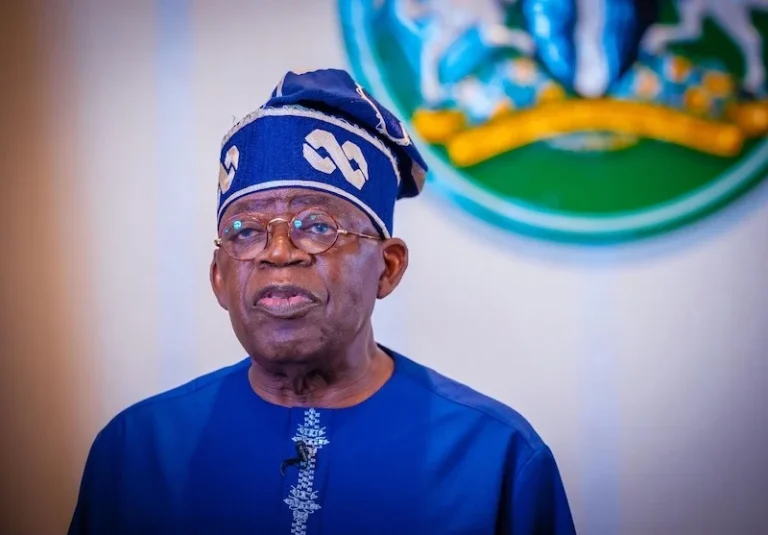
Since assuming office, President Bola Ahmed Tinubu’s administration has pursued a series of economic and governance reforms that supporters describe as a significant departure from the policies of previous administrations. While many of the reforms have attracted public debate due to their immediate economic impact, advocates argue that they are laying the foundation for long-term national development.
One of the administration’s earliest and most consequential decisions was the removal of the fuel subsidy. Unlike previous governments that retained the subsidy despite concerns over its fiscal sustainability and alleged corruption, President Tinubu announced its removal on his first day in office. Supporters of the policy argue that the decision has released substantial public funds, resulting in increased allocations to states through the Federation Account Allocation Committee (FAAC). They contend that this has enabled many state governments to improve salary payments, settle outstanding obligations, and undertake infrastructure projects.
Another key reform is the unification of Nigeria’s foreign exchange market. Previous administrations operated multiple exchange-rate windows, a system critics said encouraged arbitrage and discouraged foreign investment. The Tinubu administration adopted a market-driven, willing-buyer, willing-seller framework, a move supporters believe has improved transparency, strengthened investor confidence, and positioned the economy for sustainable growth.
The administration has also introduced major initiatives aimed at expanding financial inclusion and educational opportunities. Through the Nigerian Education Loan Fund (NELFUND), eligible students now have access to interest-free education loans, while the establishment of the Consumer Credit Corporation is intended to expand access to consumer credit and encourage a gradual transition from a predominantly cash-based economy to a more credit-driven system.
In the area of governance, the administration has backed greater financial autonomy for Nigeria’s 774 local government councils. Following the Supreme Court’s judgment on local government autonomy, supporters argue that the move will enhance grassroots development by ensuring that funds meant for local councils are managed directly at that level.
Infrastructure development has also featured prominently in the administration’s agenda. Flagship projects such as the Lagos-Calabar Coastal Highway, the proposed Sokoto-Badagry Superhighway, and ongoing railway modernization are being promoted as strategic investments designed to improve connectivity, stimulate commerce, and create employment opportunities across the country.
On fiscal policy, the government established the Taiwo Oyedele-led Tax Reform Committee to review Nigeria’s tax framework. The proposed reforms seek to simplify tax administration, improve the business environment, expand non-oil revenue generation, and reduce unnecessary burdens on small businesses while enhancing efficiency in tax collection.
Supporters of the administration maintain that, unlike previous governments that focused on managing existing economic challenges, the Tinubu administration is undertaking structural reforms aimed at reshaping the foundations of the Nigerian economy. They acknowledge that the reforms have imposed short-term hardships on many citizens but argue that they are necessary for long-term economic stability and prosperity.
Adding to this perspective, former Minister of Finance, Ngozi Okonjo-Iweala, has previously emphasized that economic stabilization is a necessary first step before meaningful growth can be achieved. According to this view, stabilizing key macroeconomic indicators provides the platform upon which sustainable economic development can be built. Supporters of the current administration argue that the ongoing reforms reflect this philosophy and deserve to be assessed within that broader context.





Ede Muslim Grammar School at 52: Alumni, Govt, Stakeholders Urged To Revive Institution

Princess Omolaoye Adedoyin At 66: Family Celebrates Her Godly Virtues, Prays For Long Life

Osun: Physician Advocates Regular Checkups At Qualified Medical Laboratories

Hausa Zallah Leader Congratulates Hashim on Court Victory, INEC Listing

Osun Police Declare Alowonle, Sibi Wanted Over Emir’s Murder

SSACO Raises Alarm Over Alleged Forced Sale Of Political Stickers To Oyo Drivers
-
 Crime4 days ago
Police Arraign Three Travel Agency Staff Over Alleged ₦5.6m Visa Fraud In Osun
-

 News5 days ago
Osun: FBOMF Raises Alarm Over Poor School Facilities, Teacher Shortage In Ayedaade
-

 News4 days ago
Toluwanisings: Family Announces October 27 Tribute Night In Ibadan
-

 News5 days ago
APC Will Win Massively In Oluyole — Mustapha