

Health
Lassa Fever Deaths Hit 252 as Nigeria Records 14 New Cases
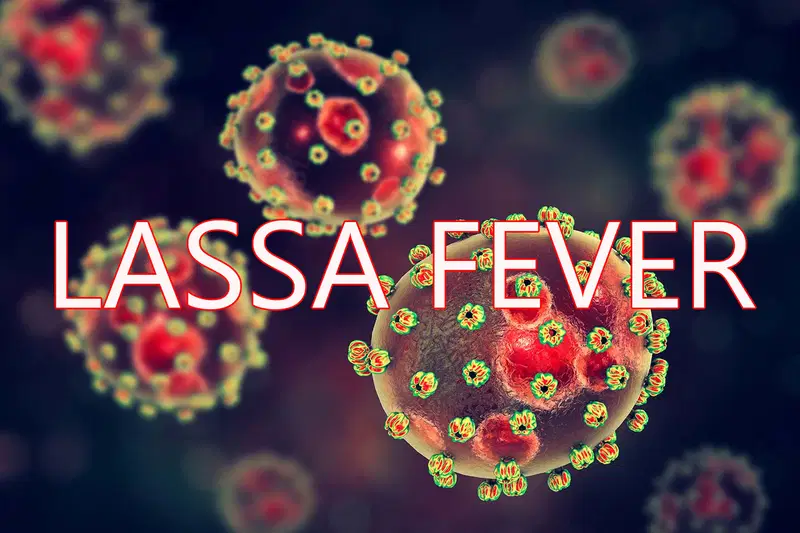
Nigeria’s Lassa fever outbreak on Tuesday continued to take a heavy toll, with the country recording 252 deaths from 1,035 confirmed cases as of epidemiological week 33, translating to a case fatality rate (CFR) of 24.4 per cent.
According to the latest figures from the Nigeria Centre for Disease Control and Prevention, (NCDC) showed that 14 new confirmed cases were recorded between August 10 and 16, 2026, a sharp increase from the four cases reported in the preceding week.
The new cases were reported in Ondo, Bauchi, Edo and Benue states, bringing the cumulative number of suspected cases to 7,426, while six probable cases have also been recorded.
The development has raised concern as the current CFR remains significantly higher than the 18.6 per cent recorded during the same period in 2025, despite intensified surveillance, case management and infection prevention measures.
According to the NCDC Lassa Fever Situation Report for Epi Week 33, released on the outbreak, 23 states and 117 Local Government Areas have recorded at least one confirmed case this year.
The agency said five states including Ondo, Bauchi, Taraba, Edo and Benue, accounted for 87 per cent of all confirmed cases recorded nationally.
Ondo State alone accounted for 33 per cent of confirmed cases, followed by Bauchi with 25 per cent, Taraba 13 per cent, Edo 10 per cent and Benue six per cent.
The NCDC said the predominant age group affected was 21–30 years, with patients ranging from one to 93 years and a median age of 30 years. The male-to-female ratio among confirmed cases was 1:0.9.
The agency further disclosed that 54 healthcare workers have been affected cumulatively in 2026, although no new healthcare worker infection was reported during week 33.
The rising fatality rate has been linked in part to late presentation and poor health-seeking behaviour.
The NCDC identified late presentation of cases, high cost of treatment and clinical management, poor environmental sanitation, inadequate awareness in high-burden communities and healthcare-worker infections among the major challenges confronting the response.
It warned that delayed presentation could worsen outcomes, stressing the need for early recognition, referral and treatment.
The agency said, “Healthcare workers” should maintain a high index of suspicion for Lassa fever, initiate timely referral and treatment, and adhere strictly to standard infection prevention and control procedures.
To contain the outbreak, the NCDC said it had strengthened surveillance, contact tracing, laboratory diagnosis, infection prevention and control, risk communication and case management across affected states.
It also reported the development of a 30-day Healthcare Worker Protection Plan with support from the World Health Organisation, WHO, and US Centers for Disease Control and Prevention, aimed at reducing infections among frontline health workers in endemic states.
The agency said PPE had been pre-positioned and distributed to health facilities, while national rapid response teams had been deployed across seven high-burden states.
It added that active case search and contact tracing were being supported in high-burden states, while healthcare workers were receiving additional training on Lassa fever case management, screening, triage and infection prevention.
The NCDC also urged states to intensify community engagement throughout the year, particularly in high-burden areas, to improve awareness and encourage early presentation.
“States should bolster efforts all-year-round for community engagements on prevention of Lassa fever,” the agency advised.
Lassa fever is an acute viral haemorrhagic illness primarily transmitted to humans through contact with food or household items contaminated by urine or faeces of infected multimammate rats. It can also spread from person to person, particularly in healthcare settings where infection prevention measures are inadequate.
The NCDC said strengthening the capacity of states to prevent, detect and respond promptly remains critical to reducing deaths from the disease.











16-Year-old In Police Custody Over Killing Of 20-year-old

Lassa Fever Deaths Hit 252 as Nigeria Records 14 New Cases

Oba Adebisi Celebrates Alara Of Ara On 65th birthday

Atiku’s Suit Challenging Tinubu’s 2027 Eligibility Stalls Over Service Of Court Papers

Lagos Driver Remanded Over Alleged Abduction, Sexual Assault Of 14-Year-Old

Kwara Assembly Declares Seats Of Two Defected APC Lawmakers Vacant
-

 News5 days ago
The Oyetola That I Know! By Hon. (Otunba) Olusegun Ayodele Fanibe
-

 News4 days ago
Osun Election: AMBO Congratulates Adeleke, Condemns Post-Election Killings, Urges APC Members To Mobilise For 2027
-

 News2 days ago
2027: I’ll Deliver Osun Votes To Tinubu, Adeleke Assures
-

 News2 days ago
₦605 Petrol Price Is Starting Point, We Can Cut It to ₦200–₦300 — Olawepo-Hashim