
News
HIV: Lagos Moves To Reach Over 60,000 Residents Missing From Treatment

The Lagos State Government has intensified efforts to close gaps in HIV treatment coverage, targeting more than 60,000 people living with the virus who are yet to access antiretroviral therapy (ART).
This is despite the state recording 93.4 per cent treatment coverage among people who know their HIV status, according to findings from the 2025–2026 Antiretroviral Therapy (ART) Impact Survey.
The survey, however, revealed significant gaps in HIV testing, early diagnosis and treatment coverage, raising concerns about the state’s efforts to achieve the global target of ending the HIV epidemic by 2030.
Findings showed that HIV prevalence among adults aged 15 to 64 in Lagos stood at 1.6 per cent among women and 0.8 per cent among men.
It also indicated that only 58.3 per cent of people living with HIV knew their status, while 88.9 per cent of those receiving treatment had achieved viral load suppression.
The findings were presented during the dissemination of the Lagos State Summary Sheet of the ART Impact Survey held at the Sheraton Hotel, Ikeja.
According to a statement issued on November 4 by the Lagos State Ministry of Health, the survey provides important evidence to strengthen HIV prevention, testing, treatment and resource allocation across the state.
The Permanent Secretary of the Ministry of Health, Dr Dayo Lajide, said the findings would help assess progress made since the 2018 Nigeria HIV/AIDS Indicator and Impact Survey and guide interventions towards achieving the UNAIDS 95-95-95 targets.
Lajide disclosed that an estimated 192,911 people were living with HIV in Lagos State, but only 129,977 were receiving antiretroviral therapy, representing 65.7 per cent treatment coverage.
She said the figures left more than 60,000 people living with HIV outside the treatment programme, underscoring the need to expand testing and ensure that those diagnosed are promptly connected to care.
The Permanent Secretary also raised concerns over gaps in services for pregnant women and children, noting that coverage for the prevention of mother-to-child transmission of HIV increased from 45 per cent in 2018 to 57.6 per cent in 2025.
She called for stronger interventions in HIV testing, linkage to treatment, retention in care, early infant diagnosis and expansion of paediatric HIV services.
Also speaking, the US Embassy’s Health Assistant Coordinator, Omoshalewa Oyelaran, emphasised the importance of identifying people who were unaware of their HIV status, noting that such individuals could not be linked to treatment without first knowing their status.
She stressed that improving access to HIV testing remained critical to identifying undiagnosed cases and ensuring that more people living with the virus received timely medical care.
The survey findings are expected to guide the state’s HIV response, particularly in addressing gaps in diagnosis, treatment access and viral suppression as Lagos intensifies efforts towards ending the epidemic by 2030.





Oyo 2027: SSACO Fires Back at Adekanmbi Over Alli’s Manifesto

2027: ‘Zaɓi Accord’ — Northern Residents Sing, Chant Gbenga’s Name

NANS Threatens Police Commission Petition Over Alleged Hostel Invasion In Ede

Osun Govt Warns Oluwo Against Religious, Inter-Community Tensions

Police Prosecute 46-Year-Old Woman Over Alleged N6.8m Fraud

2027: Appeal Court Declines to Recognise Wabara-Led PDP BoT
-

 News2 days ago
Golden Jubilee: Osun Deputy Governor Launches ₦50m School Project At ACGS Ikirun
-

 News5 days ago
ASUSS Challenges Exclusion From Senior Secondary Education Commission
-
 News4 days ago
‘NLC Must Not Become Political Tool’: WIP Faults Osun Labour Over LG Funds
-
 News5 days ago
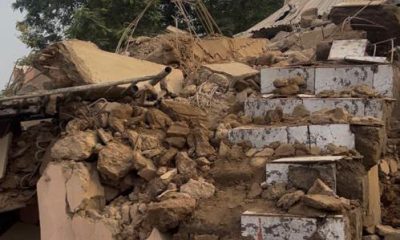
Three Killed, Five Rescued As Two-Storey Shopping Complex Collapses In Osun