
Economy
Hashim’s Aide Insists ₦605 Petrol Price Is Achievable, Challenges Finance Minister
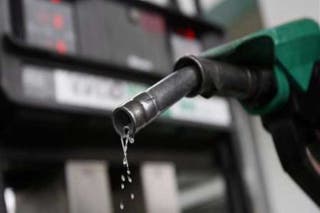
A Senior Special Adviser on Economic Matters to the Accord Party presidential candidate, Dr. Gbenga Olawepo-Hashim, Mr. Olika Odika, has challenged Finance Minister Taiwo Oyedele’s position on the Federal Government’s share of Nigeria’s crude oil revenues, insisting that the country can achieve a petrol price benchmark of ₦605 per litre through reforms in the petroleum sector.
Odika argued that assessing the government’s earnings from the petroleum industry should go beyond its direct share of crude oil production, noting that other revenue sources, including petroleum profit tax, royalties and sundry charges, must also be considered.
“The fact the minister’s argument obscures is that the Federal Government collects petroleum profit tax, royalties and sundry charges, in addition to NNPC’s share under joint-venture arrangements,” he said.
He maintained that these revenue streams should be assessed collectively to determine the actual value accruing to the Nigerian state from petroleum operations.
Odika further argued that the government’s effective share of petroleum revenues could exceed 70 per cent under certain fiscal arrangements, calling for a transparent breakdown of production costs, contractual entitlements, royalties, taxes and other charges across the country’s petroleum projects.
According to him, the debate over crude oil ownership should not overshadow the economic difficulties Nigerians face as a result of high energy costs.
“The truth is that there is too much rent paid to the Federal Government compared with other oil and gas jurisdictions. There is too much money being shared among a few people while the majority cannot afford the energy required for transportation, agriculture and manufacturing,” he said.
Reaffirming Hashim’s Energy First policy, Odika said the Accord presidential candidate had proposed an initial petrol price benchmark of ₦605 per litre, with a gradual reduction to between ₦200 and ₦300 per litre through a restructuring of the domestic petroleum value chain.
He explained that the proposal was based on reducing production and supply costs rather than relying on temporary price interventions that do not address the underlying causes of high petrol prices.
Under the proposed policy, Odika said Nigeria would prioritise domestic refining, guarantee reliable crude oil supply to local refineries, eliminate avoidable production and distribution costs, and improve efficiency across the petroleum value chain.
“The position of Dr. Gbenga Hashim is clear: Nigeria must put its energy resources to work for Nigerians. We cannot continue to produce crude oil while our people struggle to afford the energy required to transport goods, grow food and operate industries,” he said.
Odika added that Nigeria could draw lessons from other OPEC member countries that had structured their energy policies around domestic economic priorities, while adapting relevant practices to the country’s production costs, fiscal arrangements and refining capacity. He maintained that petroleum wealth should be measured not only by government revenue but also by its contribution to affordable energy, economic opportunities and national productivity.






Police Orders Probe Into Shooting At Enugu NDC Campaign Office

Hashim’s Aide Insists ₦605 Petrol Price Is Achievable, Challenges Finance Minister

Why Ogunwuyi Resigned As Makinde’s Chief Of Staff

Makinde Appoints New CoS, DG Due Process

NANS Demands Probe As Ex-Akwa Ibom Varsity SUG President Dies At NYSC Camp

US Federal Agents Search Ilhan Omar’s Home Over Alleged Immigration Paperwork Fraud
-
 Opinion4 days ago
2027: Gbenga Olawepo-hashim Emerges AS THE Only Main Opposition To Tinubu, A Refreshed Brain With Robust Policy Plan
-

 South West News4 days ago
K-Rad Hails Elende Of Eko-Ende’s Elevation, Says Osun Traditional Institution Gains
-

 News4 days ago
Nine-Year-Old Allegedly Sets Family Home Ablaze After Father’s Beating
-
 Crime4 days ago
Seven Years After, Oyo Police Arrest Alleged Unlicensed Fertility Practitioner