
News
Nigerians Challenge Tinubu’s ‘Out Of The Woods’ Claim As Fuel, Food Costs Bite
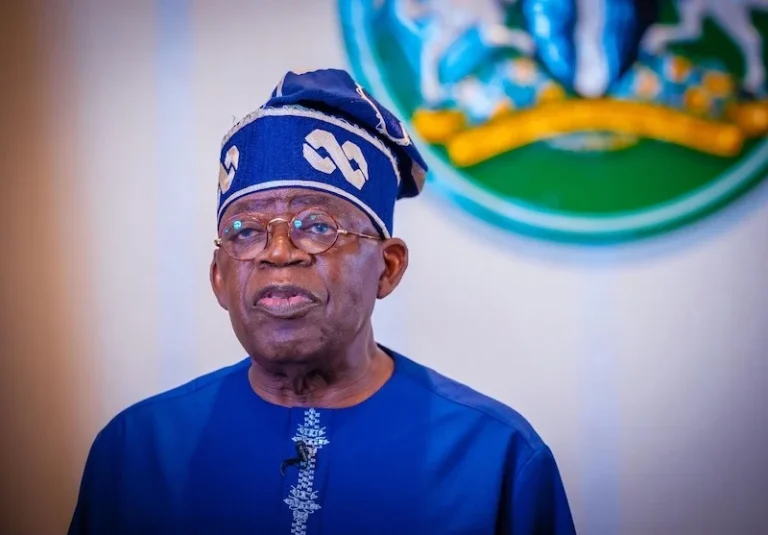
Despite the Federal Government’s claim that Nigeria’s economy is gradually recovering from its recent challenges, Nigerians across different sectors have continued to express concerns over the high cost of petrol, transportation, food and other basic necessities.
The concerns followed President Bola Ahmed Tinubu’s Independence Day address, in which he painted an optimistic picture of the country’s economic direction and said Nigeria was moving towards greater prosperity.
However, interviews with traders, workers, transport operators, artisans, community leaders and public affairs analysts across different parts of the country showed that many Nigerians are yet to feel the impact of the economic recovery being reported by the government.
In Osogbo, the Osun State capital, a trader at Igbona Market, Alhaja Ideraoluwa Akorede, said the rising cost of petrol had significantly affected her business, forcing traders to increase prices while customers reduced their purchases.
“High fuel cost is affecting us seriously. When we increase prices, customers reduce what they buy. Sales have dropped,” she said.
Also speaking, Pastor Sunday Agbolade, a community leader in Owode, Ede, said the economic situation was putting increasing pressure on families, with many households struggling to provide food, pay transportation fares and meet other basic needs.
He said the rising cost of living was particularly affecting low-income families, who now had to make difficult choices between feeding, education, healthcare and transportation.
The Secretary of the Osun Civil Society Coalition, Comrade Olowu Emmanuel, said the true measure of economic recovery should go beyond official statistics, stressing that what matters most to ordinary Nigerians is their purchasing power.
“Recovery cannot be measured only by figures. The real test is whether purchasing power is improving,” Olowu said.
In Ibadan, a civil servant, Mr. Tayo Adesokan, questioned the claim that the country had overcome its economic difficulties, citing the rising cost of petrol and transportation as evidence of the hardship being experienced by workers.
“It is a lie. A litre of petrol is now N1,400 or N1,500. Many vehicle owners cannot drive to the office again. Transport costs have risen; commuters beg for lifts, while many now trek. Where is the prosperity?” he asked.
A vulcaniser, Kazeem Lasisi, also said the rising cost of petrol had made his business increasingly difficult to sustain because he depends on fuel to power his equipment.
“I use petrol to power my engine. What I collect to pump a tyre is not commensurate with fuel cost. Car owners complain. We have crude oil, yet we suffer for refined petrol,” he said.
Public Affairs Analyst, Victor Eze, argued that the government’s economic reforms had continued to impose significant pressure on Nigerians, particularly through the rising cost of fuel.
“If things can be better if subsidy is returned, let government return it. During Buhari, a litre was about N200. Tinubu increased it to about N500. Now it is N1,400,” he said.
Similarly, Abdulhakeem Abdulwahab said workers were struggling to cope with the combined effects of inflation, rising rents, transportation costs and the increased cost of imported goods.
He said the depreciation of the naira had significantly increased the cost of imports, thereby putting additional pressure on consumers and businesses.
However, Chairman of the Governing Board of the Guild of Interfaith Media Practitioners Nigeria, Abdulkarim Abdulmalik, acknowledged that some economic indicators had improved, including reported GDP growth, declining inflation and stronger foreign exchange reserves.
He, however, cautioned that macroeconomic improvements would have limited meaning if they did not translate into better living conditions for ordinary citizens.
“The journalist’s thermometer is the street price of food, transport, electricity, rent and purchasing power. Higher oil prices can increase government revenue but raise domestic fuel costs,” Abdulmalik said.
He added: “The real measure of shared prosperity will be whether growth translates into cheaper food, affordable transport, jobs and stronger incomes.”
In Abuja and Bauchi, transport operators and commuters also complained about the high cost of vehicles, maintenance, fuel and poor roads, saying these factors continued to make it difficult to reduce fares despite government efforts to promote compressed natural gas-powered transportation.
The concerns were echoed by transport operators who said the cost of acquiring new vehicles had become prohibitive, forcing many to continue operating ageing vehicles with high maintenance costs.
In Bayelsa, journalist Okungbowa Aiwerei said the economy was undergoing a major restructuring, but identified transportation as one of the biggest challenges confronting Nigerians. He advocated greater investment in CNG and electric vehicles as alternatives to petrol-dependent transportation.
However, former Publicity Secretary of the Ijaw National Congress, Engineer Ezonebi Oyakemeagbeagha, disagreed with the optimistic assessment, arguing that the realities confronting ordinary Nigerians remained severe.
“President is not in touch with reality. Fuel is N1,500; 50 litres is almost a civil servant’s salary. There is no middle class again,” he said.
For Lilian Ugbo, a widow and mother of six, the economic situation has become a daily struggle, particularly in providing for her children and meeting their educational needs.
“Things are very costly. It is affecting children’s ability to go to school. We are just managing,” she said.
As Nigerians continue to debate the pace and impact of the Federal Government’s economic reforms, many citizens insist that the ultimate test of the administration’s claim of recovery will be whether households can afford food, transportation, housing, healthcare and education without facing unsustainable financial pressure.




Osogbo Cult Violence: Police Move Tactical Squads to Oke-Baale, Begin Fresh Operations

Protecting NYSC Corps Members: A Call For Urgent Government Action And Collective Responsibility

Osun Challenges Court Order On State Accounts, Questions Validity Of Gamji Arbitration Award

Alaafin Urges Nigerians To Embrace Unity Despite Ethnic, Religious Differences

2027: D’Banj Donates Three Sienna Buses To Osun Accord Reps Candidate, Olajengbesi

Osun Govt Threatens Roadside Refuse Dumpers With ₦50,000 Fine, Public Parade
-
 News3 days ago
Osun’s Monthly Allocation Rose to ₦17bn After Subsidy Removal, Says AMBO Group
-
 Economy4 days ago
Federal Workers Back ₦500 Petrol Demand, Threaten Strike Over Wages
-

 News1 day ago
Why I’m Seeking Another Mandate For House Of Reps Seat, By Oluga
-

 News1 day ago
Osun: Olubosin Of Ifetedo Joins Ancestors