
Health
US Records First Case Of Flesh-Eating Screwworm Outbreak
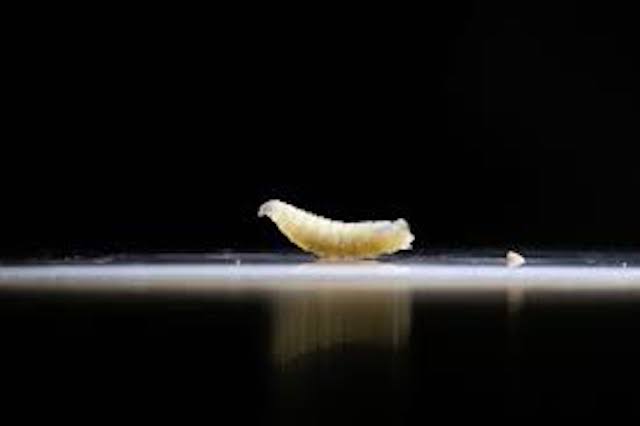
The United States (US) has confirmed its first travel-associated human case of the New World screwworm, a parasitic fly whose larvae feed on living flesh.
According to the Centres for Disease Control and Prevention (CDC), the case involved a Maryland resident who recently returned from Central America, where the outbreaks are ongoing.
The patient began showing symptoms shortly after arrival in the U.S. and was officially diagnosed on August 4, 2025.
While federal health officials traced the infection to El Salvador, some sources indicated the individual may have travelled from Guatemala.
The development comes amid a widening screwworm outbreak across Central America and southern Mexico.
CDC Director, Dr. Rochelle Walensky, said, “Screwworm larvae literally eat living tissue, which can lead to serious and potentially life-threatening infections if not treated promptly.”
Walensky continued, “While this remains extremely rare in humans, it’s critical to seek immediate medical attention if symptoms appear after travel.”
HHS spokesperson, Dr. Anthony Fauci, said, “We are taking this very seriously and working to prevent any further spread.”
Screwworm infestations can devastate cattle herds, and agricultural authorities have warned that an uncontrolled outbreak could cost the U.S. cattle industry up to $1.8 billion, particularly in Texas.
Dr. Jose Ortega, senior USDA veterinary official, said, “The larvae can burrow into live tissue, causing deep wounds that are difficult to treat.”
“For humans, it’s rare but extremely dangerous, and for cattle, it can lead to billions in losses,” he said.
The CDC confirmed that the infection was identified through tele-diagnosis of larval images by the Maryland Department of Health.
In response to the broader threat, the U.S. Department of Agriculture has announced the construction of a new sterile fly production facility in Texas, aimed at curbing the pest’s spread through a technique that involves releasing sterile male flies to suppress breeding.
Officials emphasised that no animal cases have been detected in the U.S. so far this year, but they urged continued vigilance as outbreaks in neighbouring regions persist.
“Early detection and treatment are essential to prevent serious consequences, both for public health and agriculture,” Walensky added.



















Osun 2026: Democracy Is A Contest Of Ideas, Not Violence, Oyebamiji Tells Adeleke

Osun 2026: Adeoti’s Loyalists Dismiss Defection Rumours, Reaffirm Support For Adeleke’s Re-election

Banditry And The Deluge Of False Alarm In Southwest Nigeria By Elder Yinka Salaam

Osogbo/Ede Attacks: Call Oyetola / Oyebamiji to Order — Gov Adeleke

Oriire Abduction: Oyo Assembly Seeks Massive Security Deployment To Schools

Police Suspend Accord, APC Political Activities In Osun LG Over Security Threat
-

 News3 days ago
Despite Resignations Of Some Members, We Remain Undaunted, Unshakeable, Osun APC Assures Members, Public
-

 Opinion4 days ago
Rising Allocations, Failing Infrastructure: Why Nigerians Are Asking Hard Questions By Adeboye Adebayo
-

 South West News5 days ago
Oba Adebisi Installs New High Chief Orisa
-

 News4 days ago
Osun 2026: AMBO’ll Prioritise Agriculture, Economic Growth — K-RAD