
News
Osun And The Vindication Of The Nigerian Voter By Adewale Amoo
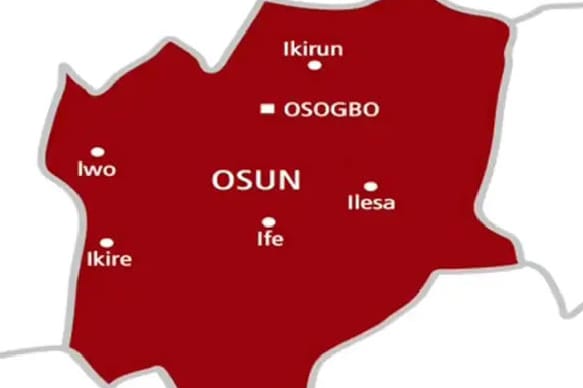
For years, one of the most damaging assumptions in Nigeria’s democratic development has been the belief that elections are merely elaborate ceremonies for endorsing decisions made elsewhere. Many Nigerians have become disillusioned with the ballot box, convinced that their votes cannot influence political outcomes. The recently concluded Osun State governorship election has, however, offered a compelling rebuttal to that pessimism, the people retain the power to determine who governs them when they choose to exercise it.
The August 15, 2026 governorship election was not merely another contest between political parties. It represented a significant test of Nigeria’s democratic institutions and a reminder of the electorate’s political influence. The declaration of Governor Ademola Adeleke as the winner, with 511,067 votes against Bola Oyebamiji’s 444,815 votes, demonstrated that electoral outcomes can still reflect the choices voters make at their polling units. Beyond the figures lies a deeper lesson, democracy is ultimately about the people. Elections provide citizens with the opportunity to decide who should exercise political authority on their behalf. When they abandon that responsibility because they believe their votes are irrelevant, they surrender the very power democracy grants them.
This is why the Osun election deserves serious consideration. For too long, Nigerian voters have been told that political influence, financial power, godfatherism, incumbency and other factors matter more than the ballot. Such perceptions have contributed significantly to voter apathy. Why would anyone wake up early, endure the challenges of reaching a polling unit and cast a ballot if they believe the outcome has already been determined?

But democracy cannot survive on cynicism. It depends on participation. The Osun experience should encourage Nigerians to reconsider the widespread claim that “votes do not count.” Perhaps the more appropriate question is: what happens when citizens refuse to make their votes count by withdrawing from the electoral process? The answer is straightforward: they leave the political space to those who are willing to participate.
As the American statesman Abraham Lincoln famously described it, democracy is government “of the people, by the people, for the people.” The strength of that definition lies in the word people. The government derives its legitimacy from citizens, and citizens exercise that authority primarily through the ballot box. The impressive turnout recorded in Osun is therefore worthy of commendation. More than one million voters were accredited, with over one million votes cast and more than 985,000 eventually declared valid. Such participation sends an important message at a time when political apathy remains a serious concern across the country.
While the people deserve praise, the institutions responsible for conducting elections also merit scrutiny and, where appropriate, recognition. The Independent National Electoral Commission (INEC) remains central to Nigeria’s democratic process. Its responsibility extends beyond announcing winners. It must ensure that every eligible voter has a fair opportunity to vote and that every legitimate vote is accurately recorded. Electoral credibility depends not only on the final declaration but also on the transparency of the process that produces it.
Security agencies also have an important role to play. Elections should not become occasions when citizens must choose between exercising their constitutional rights and protecting their safety. Security personnel should reassure voters rather than intimidate them. The Presidency, political parties and other stakeholders must recognise that credible elections are a shared responsibility. No government can claim genuine democratic legitimacy if citizens lose confidence in the process through which leaders emerge. The peaceful conduct of the candidates after the declaration was another encouraging aspect of the Osun experience. Political competition should end with the announcement of results, not become a pretext for violence or division. Candidates may disagree strongly during campaigns, but democracy requires them to accept legitimate outcomes through constitutional and legal channels.
Winning an election is not a licence to oppress opponents, just as losing one is not a justification for violence. However, the Osun election should not be celebrated without acknowledging the challenges that continue to threaten Nigeria’s electoral democracy. Chief among them is vote buying.
Vote buying remains one of the most troubling features of Nigerian elections. It transforms a serious democratic exercise into a transaction in which immediate financial gain is exchanged for a decision that could shape the future of an entire community. A voter who accepts a small amount of money today may unknowingly help elect a government whose policies affect his or her livelihood for years. The tragedy is that vote buying does not merely corrupt elections; it also undermines governance. A politician who spends heavily to purchase votes may later regard public office as an investment that must be recouped. This creates a cycle of corruption, poor governance and persistent poverty. Nigeria must therefore do more than condemn vote buying. Law enforcement agencies, electoral authorities, political parties, civil society organisations and citizens must work together to prevent and punish the practice.
INEC must also continue to address the challenges associated with the Bimodal Voter Accreditation System (BVAS). Technology can improve electoral transparency, but only when it is reliable, properly tested and effectively deployed. Ahead of the 2027 general elections, the identified technological and logistical challenges must be thoroughly examined and resolved.
The lesson from Osun should not be reduced to the victory of one candidate or the defeat of another. Its broader significance lies in what it reveals about Nigerians’ democratic power. The ballot paper may be small, but its political significance is enormous. Through it, a trader, student, farmer, civil servant, artisan and professional can exercise the same fundamental political power as the wealthiest citizen. At that moment, every legitimate vote carries equal constitutional weight.
That is why Nigerians must resist the temptation to surrender their political power to apathy. The 2027 general elections will provide Nigerians with another opportunity to determine the country’s direction. The responsibility will not rest solely on INEC or political parties. It will also rest on voters, who must register, obtain their voter cards, participate peacefully, reject inducements and hold elected officials accountable. The Osun experience has given Nigerian democracy a basis for cautious optimism. It has reminded us that political power ultimately belongs to the people. Our votes count, but they can count only when we are willing to cast them.
As the country approaches another decisive electoral season, Nigerians should remember one fundamental truth, democracy is not something politicians give to the people, it is something citizens sustain through participation.
Adewale Amoo is a final-year student in the Department of English, University of Ibadan. He can be reached via waleamoo2001@gmail.com.













2027: Nigerians’ll Fact-Check Obi Claim By Claim – Keyamo

Electoral Act: Disband INEC Over Appeal Court judgment, Hashim Demands

Okada Ban: Police Probe VIO, Rider Clash In Abuja

Bandits Kill 13, Sack 3 Villages In Zamfara

Probe Begins As 40 Miners Die In NSCDC Detention

Man Arraigned Over Alleged Production, Sale Of Adulterated Drinks In Osun
-
 News5 days ago
Tinubu Orders Release Of Funds To Regional Development Commissions
-

 News5 days ago
Indigenous Ride-hailing Company, O3 Drive Launched In Osogbo, Vows Tech-Driven Safety, Affordability For Passengers
-

 News3 days ago
13 Years After Court Order On Oyo Assembly Seat: NDC Reps Candidate, Ayo Akinyemi, Tackles INEC Over Failure To Enforce 40-Seat Court Judgment
-
 News5 days ago
30 Years After Graduation: SACODIANS ’96 Set Celebrates Anniversary, Commissions Legacy Projects At EAUED, Oyo