
News
Tinubu Orders Forensic Audit of IPPIS, Federal Agencies Over Ghost Workers, Fraud
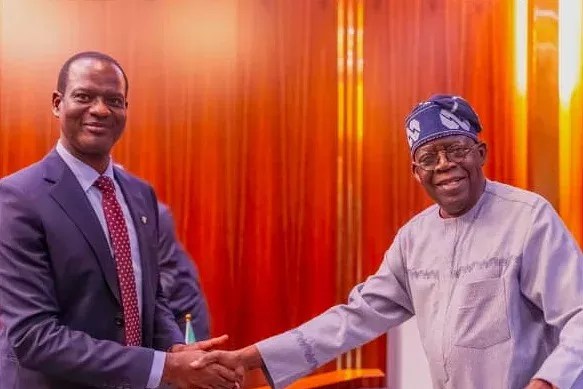
President Bola Tinubu has ordered a comprehensive forensic audit of the Federal Government’s systems, including the Integrated Personnel and Payroll Information System (IPPIS), as part of efforts to uncover ghost workers, fake agencies and other weaknesses in the public service.
The President also directed the Minister of Finance and Coordinating Minister of the Economy, Taiwo Oyedele, to oversee and coordinate the exercise.
The directive followed a resolution of the Federal Executive Council (FEC) on August 19, 2026, following findings by the Independent Corrupt Practices and Other Related Offences Commission (ICPC) on alleged fake government agencies, ghost workers and other control failures.
The President’s Special Adviser on Information and Strategy, Bayo Onanuga, disclosed this in a statement on Friday.
According to Onanuga, the audit is designed to determine the extent of weaknesses in the government’s control systems and establish how such weaknesses may have been exploited.
He said the exercise would have two interconnected components, beginning with a forensic review of government systems, particularly IPPIS and related payroll, personnel, pension and financial management platforms.
The review will examine reported cases of ghost workers and payroll fraud, reconcile figures identified by the ICPC and trace how fictitious or ineligible persons were enrolled into government systems.
It will also scrutinise access, identity, biometric and bank account controls, as well as the interfaces between IPPIS and other government platforms, including the Government Integrated Financial Management Information System (GIFMIS), Remita, the Treasury Single Account (TSA) and Sub-Treasury Single Account.
The audit will further determine whether identified cases of fraud resulted from system defects, process failures, inadequate separation of duties or deliberate circumvention of established controls.
The second component of the exercise will cover all Federal Government ministries, departments, agencies, commissions, councils, parastatals and other government bodies.
Onanuga said the exercise would establish a definitive inventory of such bodies and verify their legal basis.
It would also examine how the entities obtain official recognition, receive budgetary consideration, enjoy correspondence privileges and access office facilities and government systems.
The exercise is expected to provide the Federal Government with a clearer picture of existing gaps in its administrative and financial control systems and guide measures to strengthen accountability and prevent further abuse.







2027: Nigerians’ll Fact-Check Obi Claim By Claim – Keyamo

Electoral Act: Disband INEC Over Appeal Court judgment, Hashim Demands

Okada Ban: Police Probe VIO, Rider Clash In Abuja

Bandits Kill 13, Sack 3 Villages In Zamfara

Probe Begins As 40 Miners Die In NSCDC Detention

Man Arraigned Over Alleged Production, Sale Of Adulterated Drinks In Osun
-

 News4 days ago
Tinubu Orders Release Of Funds To Regional Development Commissions
-

 News4 days ago
Indigenous Ride-hailing Company, O3 Drive Launched In Osogbo, Vows Tech-Driven Safety, Affordability For Passengers
-

 News2 days ago
13 Years After Court Order On Oyo Assembly Seat: NDC Reps Candidate, Ayo Akinyemi, Tackles INEC Over Failure To Enforce 40-Seat Court Judgment
-

 News4 days ago
30 Years After Graduation: SACODIANS ’96 Set Celebrates Anniversary, Commissions Legacy Projects At EAUED, Oyo