
News
OSHIA Trains Over 280 Health Providers On Emergency Care In Osun
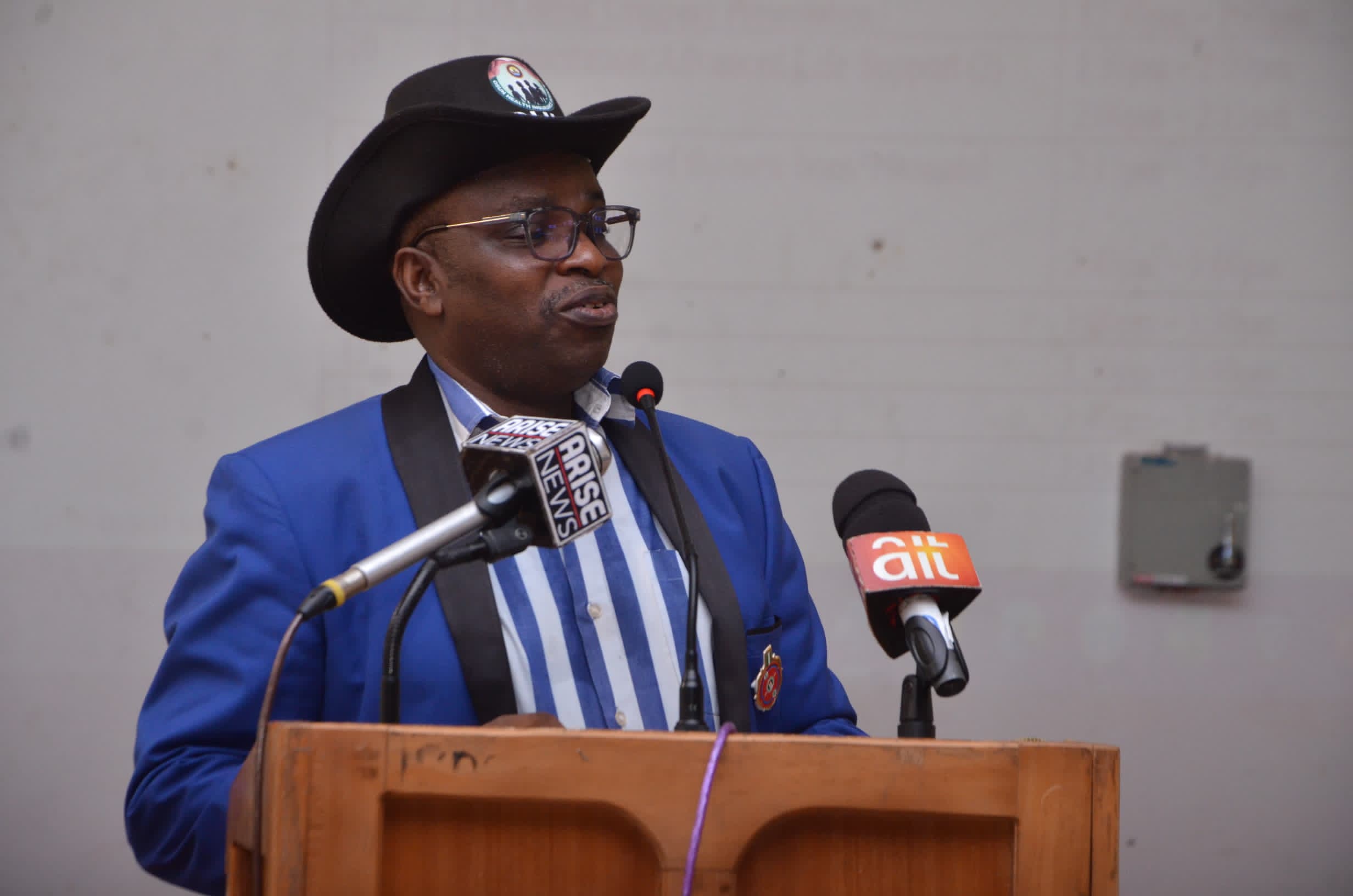
–Charges Medical Practitioners to stay within the bounds of their professional expertise
By Tosin Olasunkanmi , Osogbo
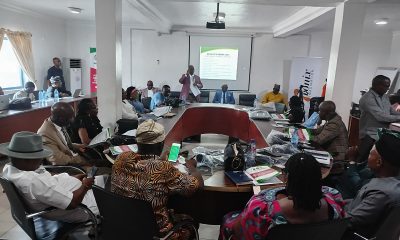
The Osun State Health Insurance Agency (OSHIA) has organized emergency care training for over 280 accredited health providers to enhance service delivery across the state.
The agency held its first quarter Providers’ Forum and training session in Osogbo on Wednesday.
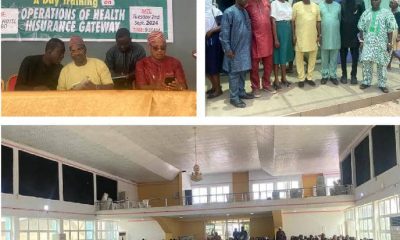
Tagged “1st Quarter Providers’ Forum and Training on Basic Emergency Care to OSHIA Accredited Providers,” the two-day programme began on Tuesday, April 29, and concluded on Wednesday, April 30, 2025.
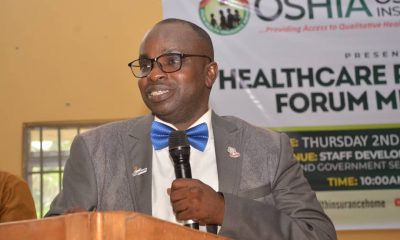
Speaking at the event, the Executive Secretary of OSHIA, Dr. Rasaq Akindele, said the training was organized to improve the quality of care provided to enrollees.
He emphasized the importance of holding regular forums with service providers to understand their challenges and explore ways to improve service delivery.
According to him, feedback from the last forum was very encouraging, with enrollees expressing satisfaction with services rendered by health facilities.
“This is a provider’s forum organised by Osun Health Insurance Agency. Occasionally, we have to come together to identify issues and provide solutions collectively. We get feedback from enrollees about their experiences at health facilities, so we also want to hear from the providers—what they face when enrollees come in,” he said.
“After we have rubbed minds together and identified the challenges, we find ways to address them. If, however, a provider defaults thereafter, we may proceed with monitoring and apply appropriate sanctions.
“The last time we had a forum like this, we saw the impact on the field. Enrollees expressed satisfaction with the care they received at hospitals. So, we are expecting even better results this time around,” Akindele added.
Speaking on OSHIA’s recent free eye screening and treatment program in public schools across Osun State, he revealed: “We screened about 350,000 students. Of that number, we discovered about 45,000 had eye-related challenges. Around 42,000 of them had refractive errors that could be corrected by giving them glasses.
“Some of them required medication to improve their vision, while others needed surgery. We’ve started the surgeries in phases and are yet to complete them.
“We also screened and treated teachers and found that some of them had visual impairments as well.”
On participation, Akindele noted, “At yesterday’s training, we had about 130 service providers in attendance, and today we have close to 150 medical practitioners participating.”
He further reaffirmed that the state governor, Senator Ademola Adeleke, is deeply committed to the health and well-being of Osun citizens.
He advised medical practitioners to always stay within the bounds of their professional expertise: “Practitioners should know the limits of their knowledge. That is part of good medical practice.”
Speaking to journalists, a participant, Dr. Odesanya Johnson Oluremi, Medical Director of Living Hope Medical Centre, Omobolanle area, Osogbo, described the forum as a valuable platform to collectively reflect and solve common challenges.
While commending the state government for the initiative, Dr. Oluremi called on OSHIA to negotiate with the state government for increased funding for the health insurance scheme, in order to raise capitation rates and expand the list of treatments covered.
“This programme is a forum where all stakeholders involved in the management of OSHIA come together quarterly to review activities. If there are areas for improvement, they address them to improve healthcare delivery in Osun State.
“The agency should negotiate with the state government. Though much has been done, more funds can be injected into OHIS. That will enable the scheme to increase the capitation used to pay for healthcare services and prevent any form of limitation.
“We also recommend that OSHIA expand coverage to include treatments not currently under OHIS, so that citizens can benefit more. Many treatments covered under NHIS are not covered under OHIS, and including them would enhance access to care and reflect the governor’s good gesture.”
I’m his own remark, Dr. Olatunji Odebunmi said the training created an opportunity for providers to interact directly with OSHIA management.
“You know, anything you do, there’s always room for improvement. With this kind of engagement, we can identify areas that need attention to improve services offered to enrollees.
“My expectation is that we’ll reach a compromise. As providers, we have expectations from OSHIA, and OSHIA also expects certain things from us. We’ve examined everything from both sides, and this forum allows us to agree on ways to improve service delivery.”







-
 Opinion5 days ago
Fesojoye Of The Source — Otunba Gbenga Daniel At 70, By Prince Segun Akanni
-

 News4 days ago
An Easter Of Unshakeable Hope And Renewal For Osun State – Lanre Farinloye
-
 News3 days ago
Easter: Osun Assembly Aspirant, Asiri Ede Congratulates Christians, Seeks Support For Oyebamiji
-
 News3 days ago
Osogbo Rainstorm: Oyebamiji Declares Academic Scholarship Up To University Level For Four Children Of Deceased’s Family