News
2027 Presidency: Rivers People Will Decide Who Wins — Reuben Abati; Rufai Oseni Disagree
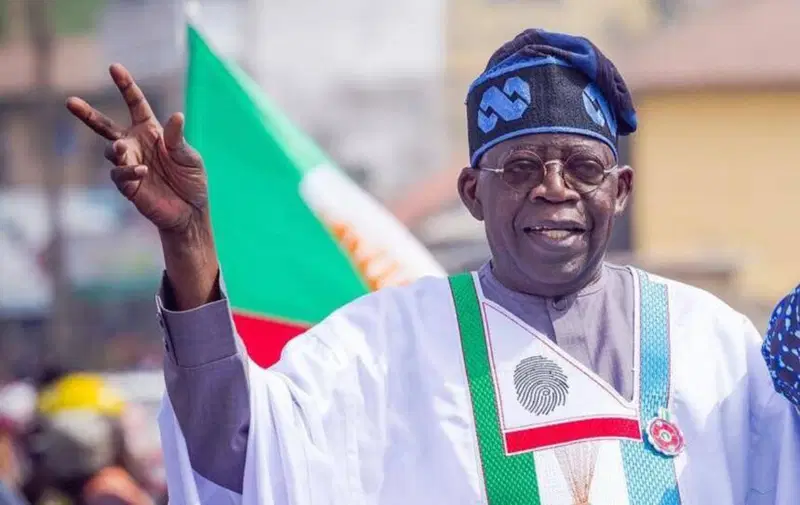
The political temperature ahead of the 2027 general election rose another notch this week as comments by the Minister of the Federal Capital Territory, Nyesom Wike, that Rivers State was already secured for President Bola Tinubu triggered a heated debate on ARISE Television’s The Morning Show.
The programme also examined claims by Catholic leaders that the Presidency should pay closer attention to the realities facing Nigerians, with the show’s anchors disagreeing over whether President Tinubu is being shielded from public opinion.
The controversy followed Wike’s declaration during his media chat in Abuja that politicians eyeing Rivers State for the 2027 presidential election should “forget it,” insisting that the state belongs politically to President Tinubu.
“I am telling you, let nobody make a mistake. The only person that can win Rivers State is Asiwaju Bola Ahmed Tinubu,” the minister declared, describing himself as “a political realist.”
The remarks immediately generated reactions on social media, with many users arguing that such comments could discourage voters and undermine confidence in the electoral process.
On ARISE Television, Ayo Mairo-Ese urged Nigerians not to interpret Wike’s comments as a foregone conclusion, describing them as political posturing intended to unsettle opponents.
“What he was doing is what we call mind games. It is ‘political big speak’. It is psychological warfare,” she said.
According to her, regardless of political influence, elections are ultimately decided by voters.
“Wike has one vote, just like every other Nigerian. The people of Rivers State will determine who emerges as the winner.”
She, however, warned that influential political figures should exercise caution because statements suggesting that election outcomes have already been determined could deepen voter apathy.
She also challenged the Independent National Electoral Commission, INEC, to strengthen public confidence by conducting elections that leave no room for manipulation.
“INEC has to demonstrate that every vote counts and that elections are free, fair and credible,” she added.
But co-anchor Rufai Oseni disagreed sharply with Mairo-Ese’s interpretation, arguing that Wike’s remarks should not be dismissed as mere political posturing because they reflected what many Nigerians already perceive about the country’s electoral system.
Oseni argued that the minister’s confidence was rooted in his political influence and controversies surrounding the 2023 presidential election in Rivers State where figues declared didn’t tally with the ones on IREV which he said the BBC pointed out in a special report on Ngeria. Although he said that Wike’s statements reinforced public distrust in democracy, he was ready to bet with anybody that Wike’a claims would come to pass.
“With due respect, he is not saying what he has not done. He is saying what he has done,” Oseni said, citing reports that questioned aspects of the 2023 election in Rivers and recalling Wike’s own claims about his dominance of the state’s political structure.
He argued that pretending such fears do not exist would only deepen public cynicism, insisting that many Nigerians already doubt whether elections truly reflect the will of the people.
“We keep saying we don’t want voter apathy, but many people already believe the process is a charade already,” he said.
He maintained that many Nigerians already believe the electoral process is compromised and that journalists should confront that perception rather than dismiss it in the name of encouraging voter participation.
Dr. Reuben Abati, however, rejected Rufai’s position, insisting that no politician has the constitutional authority to determine electoral outcomes.
“Wike is just like every other Nigerian qualified to vote. He has only one vote,” Abati said.
“He cannot sit today and announce the outcome of the 2027 election in Rivers State.”
Describing Wike’s position as “a trip of delusion,” Abati stressed that only INEC is empowered by law to declare election results.
Discover more
Politics
Digital newspaper subscription
Nigerian politics analysis
He urged Rivers voters not to surrender their democratic rights because of political pronouncements.
“The people of Rivers State have the right to go out and make their own informed choice,” he said, adding that those who attempt to undermine the electoral process should be held accountable.
The discussion later shifted to criticism of the Tinubu administration by Catholic leaders following recent comments by Archbishop Emeritus Cardinal John Onaiyekan and Monsignor Obiora Ike.
While some commentators suggested that those around the President were shielding him from the realities confronting Nigerians, Rufai disagreed.
“There is no way the President will not know about all these things. He knows,” he said.
According to him, President Tinubu has repeatedly responded to public criticism during meetings with religious leaders and traditional rulers, showing that he is fully aware of the hardship facing citizens.
“The issue is not awareness. The issue is whether the government’s narrative is landing with Nigerians,” he argued.
He noted that although the administration continues to defend its economic reforms, many Nigerians remain unconvinced because of rising hardship, insecurity and the high cost of living. Abati took a different view, defending the right of religious leaders to speak on national issues. He said the Catholic Church has historically challenged governments whenever it considered it necessary in the public interest.
“The Catholic Church has a reputation for speaking its mind. They are not in the business of opposing the government for the sake of it,” he said. He added that the government should see such interventions as constructive criticism rather than hostility.
“What we want in Nigeria is a prophetic Church that defends the interest of the people and speaks truth to power.”
The exchanges reflected growing national anxiety over electoral credibility, governance and public trust ahead of the 2027 general election, with the three analysts offering sharply different interpretations of whether Wike’s declaration was merely political bravado or a reflection of deeper concerns about Nigeria’s democratic process.











Inspector Omogbai: Doing Policing With Motherly Love

US Court Orders Halt to White House Ballroom Construction; Trump Reacts

Genotype Must Be Considered in Christian Marriage Decisions – Adesina

Tinubu Tasks WEC Nigeria On Global Energy Leadership

NELFUND Disburses N303bn In Student Loans, Urges North Central Students To Key In