
Opinion
MOR: The Strategist Behind Adeleke’s Media War By Babawale Jamiu Popoola
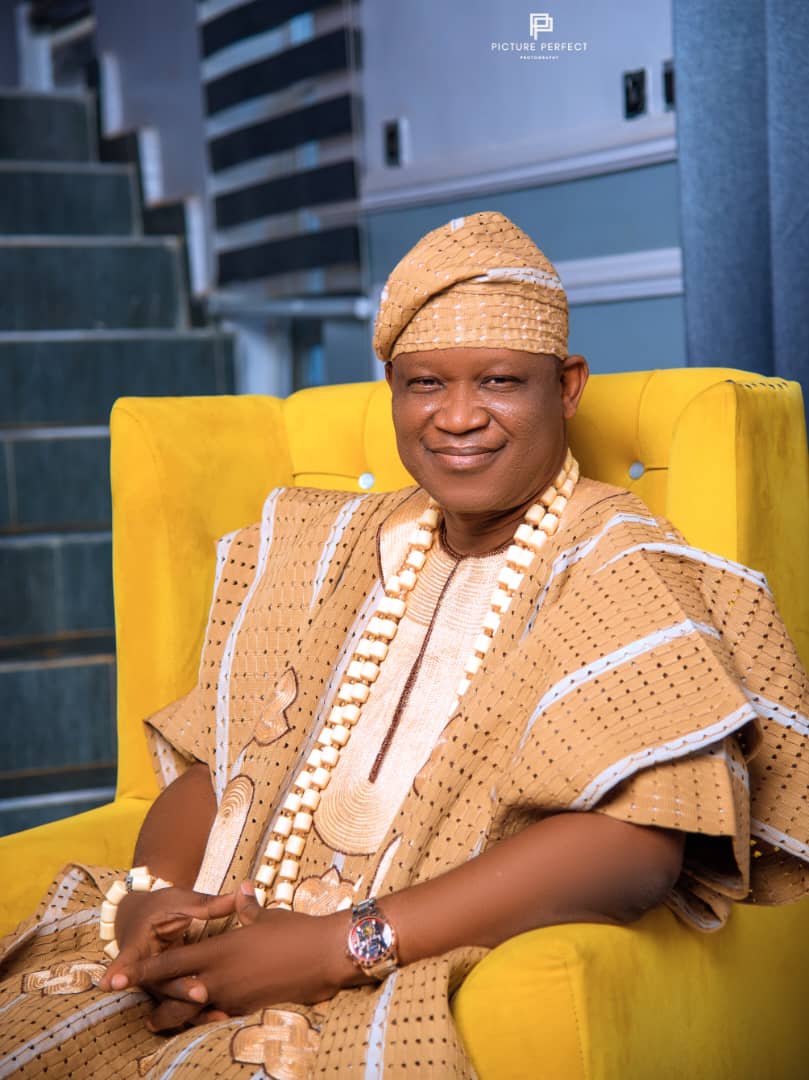
How the Governor’s spokesman fought the narrative battle that opposition could not win
In politics, silence is never neutral. When a government refuses to tell its own story, its opponents will gladly tell a different one.
That was the battle Mallam Olawale Rasheed, Spokesperson to Governor Ademola Adeleke, understood from the beginning. And for much of the Adeleke administration, MOR was not merely the man issuing statements. He was one of the men in the trenches, fighting to define what the Imole government meant to the people of Osun.
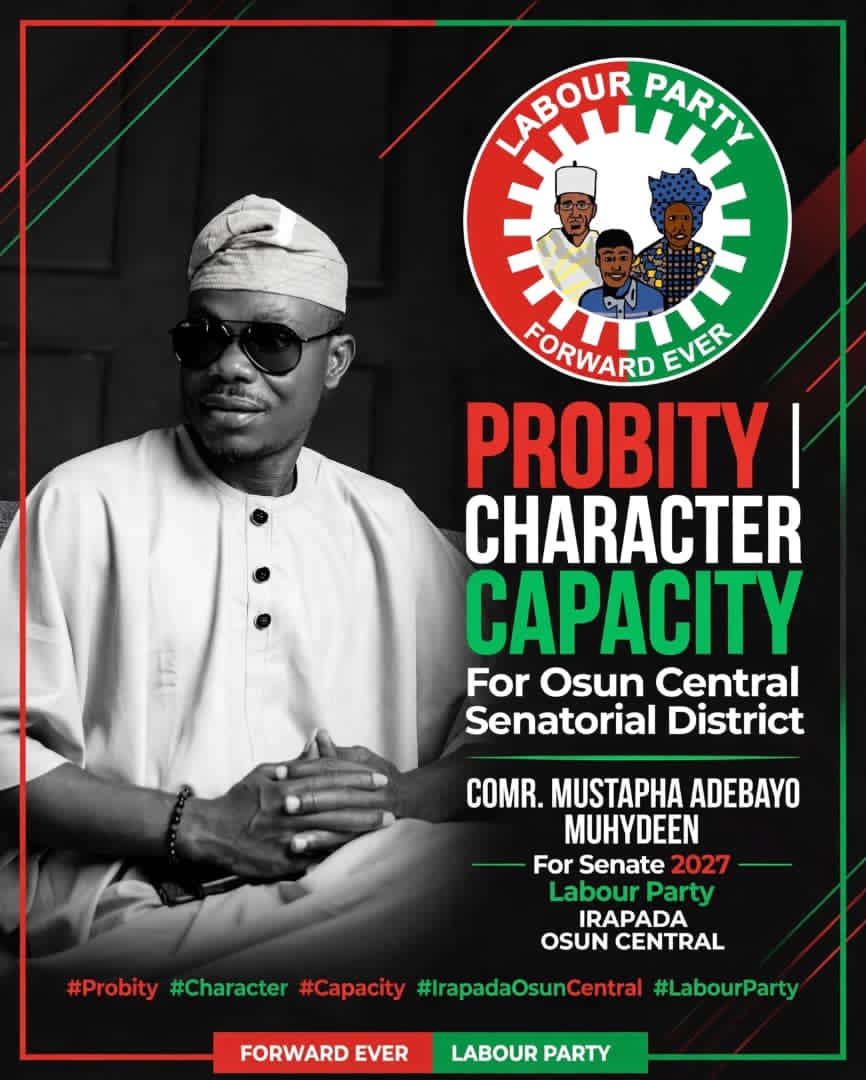
The administration came with a five-point agenda, but the real test was whether those promises would be felt beyond government offices.
Apparently, they were!
Osun people saw roads being constructed and rehabilitated. They saw healthcare facilities receiving attention. Workers felt government through improved welfare. Communities saw projects and interventions that gave physical meaning to the administration’s agenda.
That record became part of the political battlefield. Because the opposition had its own interpretation of government, maybe there was a shadow. But, Rasheed made sure the government had a superior one.
When allegations were thrown at Adeleke, he answered. When policies were questioned, he explained. When opposition narratives gained momentum, he confronted them. At a time when defending the administration attracted fierce political attacks and what his camp regarded as persecution, Olawale Rasheed remained remarkably combative.
But perhaps his biggest achievement was understanding that modern political communication cannot be left to press releases alone.
He assembled a media team that took the Imole message everywhere; newspapers, television, radio, blogs, social media and the countless WhatsApp conversations through which political opinions are formed across Osun.
That team deserves its accolades 😉
They understood that government projects in Iwo, Ilesa, Osogbo, are not merely government activities. They’re also political stories that had to be communicated before somebody else gave it a different meaning.
This was where MOR distinguished himself.
He understood Osun politics beyond the newsroom. He understood that a statement released in Osogbo could become a radio debate in Ile-Ife, a Facebook argument in Ikire and a roadside conversation somewhere else before the day ended.
So he fought for the narrative. Whether everyone agreed with him was another matter. What mattered politically was that Imole was never left without a resounding voice.
Of course, nobody should mistake media warfare for electoral victory.
Adeleke’s re-election belonged to the people of Osun. The Governor’s performance mattered. Party leaders mobilised. Grassroots politicians worked. Women, youths, community leaders and thousands of supporters carried the campaign into their communities.
But elections are also battles over perception, confidence and political memory. And in that battle, Mallam Olawale Rasheed was central.
His legacy in the Adeleke era may therefore be bigger than the press releases he signed. He helped build a communications machinery capable of defending an administration under pressure, amplifying its achievements and answering an opposition that never stopped talking (maybe gibberishly).
Adeleke governed. Osun people voted. MOR fought the narrative war.
And alongside the media team he assembled, he made sure that when the opposition raised its voice, Imole had an even louder answer.
– Babawale Jamiu POPOOLA is a young, pure and applied politician, media strategist and member of the Imole Campaign team







Independence: YPF Urges Nigerians to Unite Beyond Ethnic, Religious Differences

Nigeria At 66: Fadahunsi Urges Unity, Backs Tinubu’s Renewed Hope Agenda

Nigeria At 66: OCSC Demands Reliable, Affordable Electricity For Citizens

Osun’s Monthly Allocation Rose to ₦17bn After Subsidy Removal, Says AMBO Group

Nigeria @ 66: ‘The Nation’s Destiny Begins in Our Communities’ — Oba Makama

Flood: AbdulRazaq Visits Affected Kwara Communities, Donates N10m
-

 News5 days ago
Amotekun Reunites Missing Woman, Two Children With Family In Osun
-

 Crime5 days ago
Delta Commissioner’s Aide Arrested Over Death Of Deputy Director
-
 News5 days ago
YPF Congratulates Ooni On 2026 Olojo Festival, Celebrates Yoruba Heritage
-

 Crime5 days ago
Police Arrest Four Over N5m Mobile Phone Shop Burglary In Osogbo