
News
Oyo Borehole Contractors Hub Urge Govt To Regulate Water Sector, End Quackery
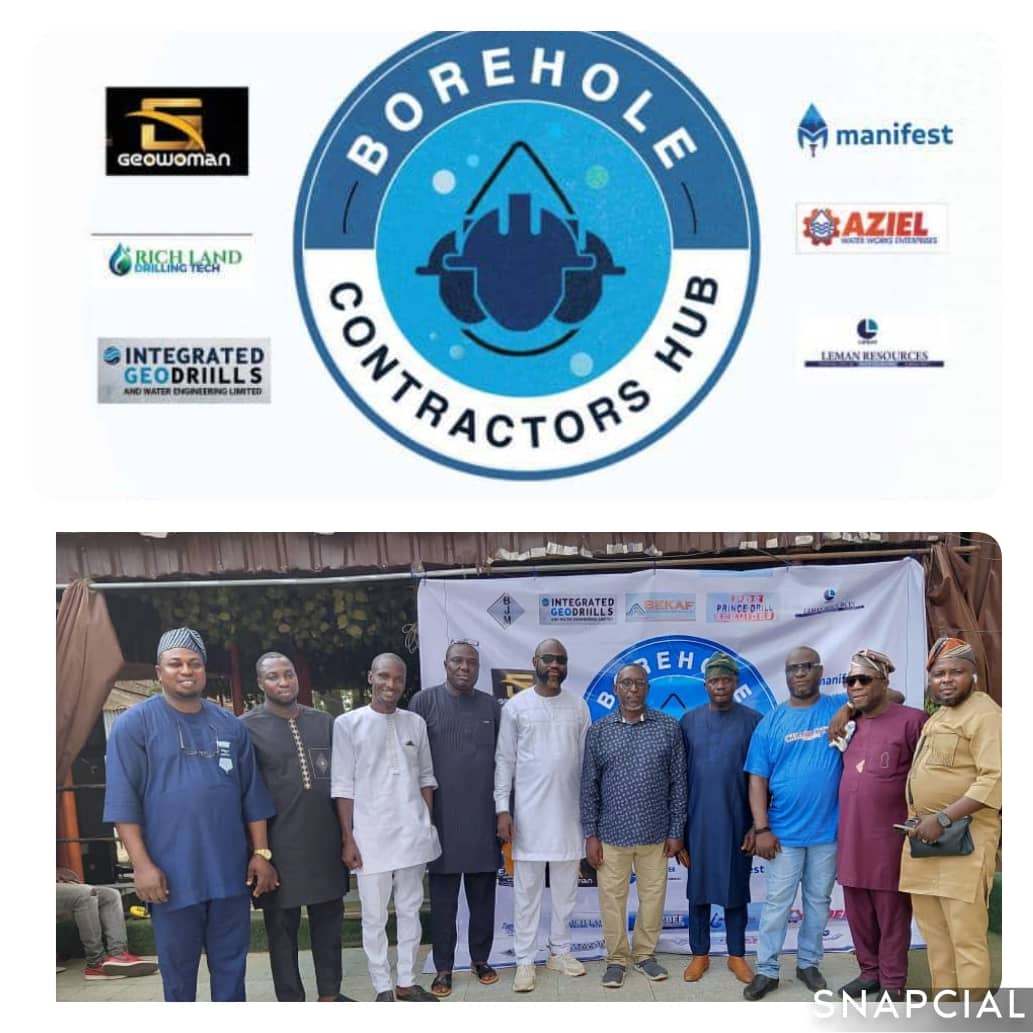
-Hold End-of-year Thanksgiving
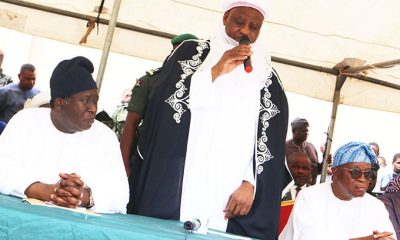
The Chairman of the Borehole Contractor Hub ,(BCH ) in Oyo State, Mr. Ayo Akinyemi, has called on the Federal and state governments to formally recognise, regulate and actively engage professional borehole contractors in Nigeria’s water development programmes, warning that continued neglect of the sector threatens public safety, water quality and sustainable access to clean water.
Mr Akinyemi made the call yesterday during the association’s end-of-year address, where he said Nigeria could no longer afford to treat borehole drilling as an informal trade dominated by unregulated operators and price-cutting quacks.
According to him, borehole contractors provide critical water infrastructure to homes, schools, hospitals and rural communities across the country, yet operate without adequate policy protection, standardisation or institutional support.
“Government decisions affect our work whether we like it or not, from licensing and regulation to contracts and professional protection. When water projects are planned, our voice must be heard. When policies are drafted, we must be at the table, not on the menu,” Akinyemi said.
He described the Borehole Contractors Hub as a response to years of fragmentation in the sector, noting that contractors had long worked in isolation while battling unqualified operators, unhealthy competition and official indifference.
“This is not just a social gathering. It is a statement that borehole contractors are no longer scattered and unheard. We are organising ourselves as professionals with a shared voice and a shared future,” he said.
Drawing parallels with other regulated professions, Akinyemi argued that no serious sector survives without strong institutions.
He said doctors, engineers and lawyers enjoy statutory bodies that protect standards and practitioners, adding that the water drilling sector deserves similar recognition given its importance to public health and national development.
Akinyemi maintained that a unified professional body would help government agencies identify credible contractors, eliminate quackery, enforce best drilling practices and improve the quality of groundwater development nationwide.
“When clients see BCH, they must see quality, credibility and professionalism. An individual contractors can be dismissed, but an organised body cannot be ignored,” he said.
Akinyemi highlighted the economic value of collective organisation, beyond regulation, saying it would enable contractors to pool expertise, mentor younger practitioners, access larger projects and reduce costs through cooperative procurement of materials and equipment.
He also stressed the need for political awareness within the profession, insisting that engagement with policymakers was essential to protect members’ interests and ensure sustainable water infrastructure delivery.
Looking ahead to 2026, the BCH chairman said the association must evolve from a loose grouping into a strong institution capable of shaping policy, setting standards and safeguarding the integrity of the profession.
“As a nation grapples with water scarcity and population growth, professional borehole drilling is no longer optional, it is essential. Water gives life, and unity gives power. Together, we will not only drill boreholes; we will help shape the future of water access in Nigeria,” Akinyemi said.
He urged members to remain committed, united and actively involved in strengthening the association, expressing optimism that a more organised sector would earn government trust and play a central role in Nigeria’s water security efforts.









-

 News4 days ago
Guber Poll: ‘We Must Get It Right’ — Abosede Kasumu Ogo Oluwa Urges Osun Voters, Backs AMBO with Mass Outreach
-
 News3 days ago
SERAP Gives Senate Ultimatum Over Missing ₦210 Trillion NNPCL Funds
-

 News5 days ago
Eid-el-Fitr: Action Alliance Guber Candidate, Farinloye Felicitates Muslims, Pledges Inclusive Governance
-
 News5 days ago
Community Leader, Five Others Arrested Over Sexual Assault In Delta Festival