
News
Cybercrime: FUHSI Trains 595 Students on Digital Literacy, Psychological Skills
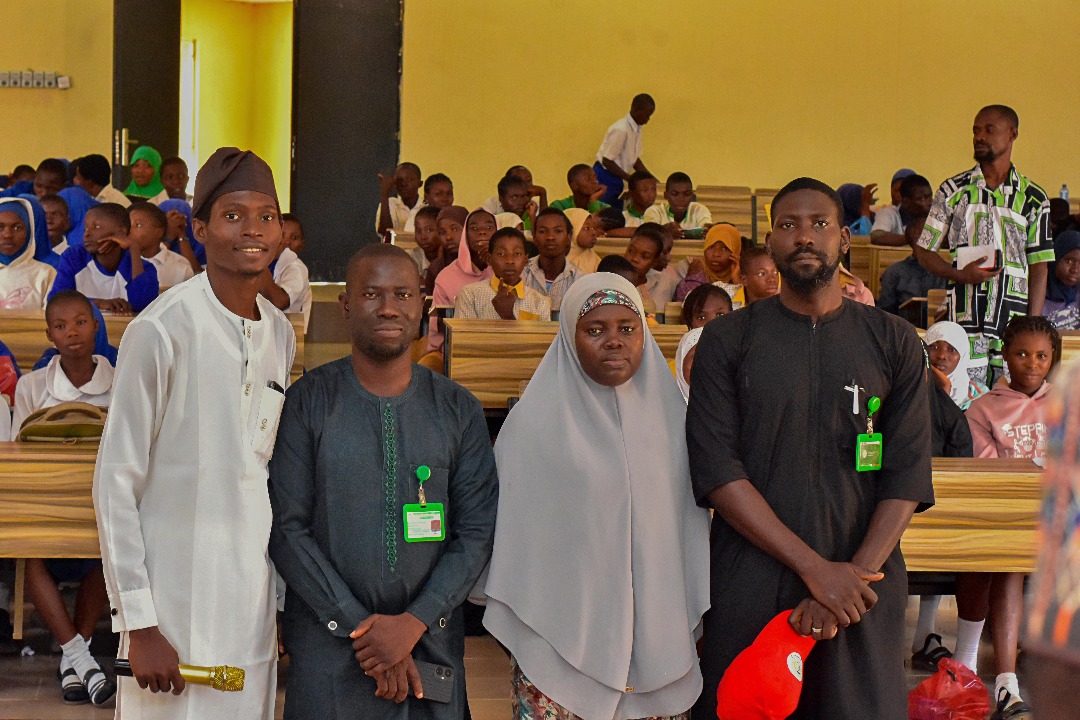
The Federal University of Health Sciences (FUHSI), Ila-Orangun, in Osun, has trained 595 secondary school students on digital literacy skills and psychological interventions to curb cybercrime and online bullying.
The students were selected from five private and five public secondary schools in Ila-Orangun as part of the university’s social responsibility and cybercrime awareness initiative.
During the training, the students participated in a pre-test exercise, followed by workshops and post-test assessment on digital literacy, psychological skills, and cyber security red flags.
The research is titled “Developing Digital Literacy and Psychological Skills as an Intervention for Curbing Cybercrime among Secondary School Students in Ila-Orangun, Osun State”.
The students were also given writing materials at the end of the training.
The Principal Investigator and leader of the FUHSI research team, Dr Oduola Olayemi, said the training was designed to create awareness about cybercrime and educate students on how to avoid becoming victims.
Olayemi, of the Department of General Studies, Faculty of Humanities and Multidisciplinary Studies of FUHSI, said that the training was an Institutional Based Research sponsored by the Tertiary Education Trust Fund (TETFund) and anchored by the university.
She commended the Federal Government, through the Tertiary Education Trust Fund (TETFund), for supporting the programme, noting that the beneficiaries gained valuable knowledge on preventing cybercrime.
Olayemi said that many young people venture into cybercrime due to ignorance, peer pressure, and lack of proper guidance, which often disrupts their dreams and aspirations.
The research team lead urged parents and school principals to continue monitoring the students and consistently educating them on the dangers and consequences of cybercrime.
Olayemi, however, encouraged the students to become good ambassadors of their schools and families by avoiding behaviours that could damage their reputation, while urging them to remain focused and determined to achieve their goals.
“The motivation for this study arose from the growing concern about cybercrime and the increasing exposure of young people to the digital space without adequate guidance.
“Our goal was simple but important: to empower secondary school students with the right digital knowledge and psychological skills to make responsible, ethical, and safe use of technology.
“This research reinforces the need to invest in preventive, educational approaches to cybercrime. By equipping our youths early, we are not only protecting them but also securing a safer digital future for our society”, she said.
Dr Azeez Adeoye, a Senior Librarian, Faculty of Humanities and Multidisciplinary Studies, FUHSI, described cybercrime as one of the negative outcomes of the invention of Information and Communication Technology (ICT).
Adeoye said that cyberbullying and related cybercrimes had adversely affected students’ mental health, finances, and overall well-being, stressing the need for increased awareness.
He said that the first step was to intensify awareness campaigns in schools and communities against cybercrime and online bullying. According to him, digital literacy interventions and psychological support would significantly reduce cybercrime among students.
“Cybercrime often succeeds through victims unknowingly providing sensitive information such as passwords and One-Time Passwords (OTPs).
Cybercriminals often create a sense of urgency, but with proper psychological awareness, one can easily identify such threats,” he said.
He further advised students to handle sensitive banking issues physically at their banks rather than online, where fraudsters could pose as legitimate agents.
Adeoye, however, said the action-based research was made possible through TETFund’s intervention and called on the government to sustain and expand funding for similar initiatives.
Other members of the research team include: Prof. Nafisat Adedokun-Shittu, Educational Technology, University of Ilorin (UNILORIN), Mr. Onigbinde Oyinlola, Reader Services Unit, Library and Information Science; and Mr. Haruna Amoo, Department of Information Technology and Health Informatics, FUHSI.

-

 News5 days ago
Adeleke Summons IBEDC, Reassure Rainstorm Victims Of Emergency Support
-

 News5 days ago
Osun: Boluwaduro LG Flags Off Road Grading Across Communities
-

 News4 days ago
ADC Crisis Rooted In Legal Process, Not External Influence — Lawyers Explain
-

 Opinion4 days ago
Fesojoye Of The Source — Otunba Gbenga Daniel At 70, By Prince Segun Akanni