
Health
NCDC Confirms Dengue Fever Outbreak In Edo, Issues Alert On Cholera, Yellow Fever
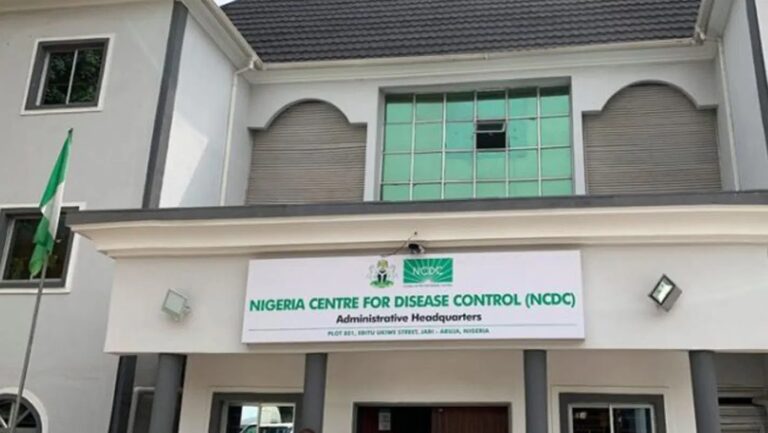
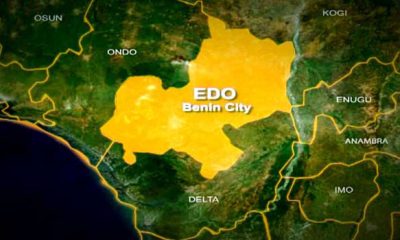
Nigeria Centre for Disease Control and Prevention (NCDC) has confirmed the outbreak of dengue fever in Edo State.
It said the cases were confirmed between June 9th and 13th, 2025, through laboratory testing, thus underscoring the growing risk posed by vector-borne diseases.
NCDC also raised the alarm of possible outbreak of cholera and yellow fever in a scale that could be a threat to public health, even as Nigeria is already experiencing a rising incidences of cholera, while yellow and dengue fevers are beginning to be detected in some states.
NCDC Director General, Dr. Jide Idris, in a statement on Friday, said the alert became necessary following the recent forecast by the Nigerian Meteorological Agency (NiMet) and the reports received so far based on the forecast.
He made reference to NiMet’s impact-based weather forecast that highlighted several states at heightened risk of flooding and flash floods.
He said that Sokoto state was identified as having a particularly high risk of flash flooding, while other states at notable flood risk include Kaduna, Zamfara, Yobe, and a couple of other states
He said: “These flash floods can lead to large-scale displacement of populations, disruption of livelihoods, and increased risk of infectious disease outbreaks, especially waterborne and vector-borne diseases.
“Floodwaters often contaminate our water sources by washing pathogens or germs from soil, animal waste, or overwhelmed sewage systems into rivers, lakes, and other bodies of water.
“This contamination affects drinking
water sources and creates ideal conditions for the spread of cholera, which is caused by the bacterium Vibrio cholerae.
“Additionally, heavy rainfall or flooding can create stagnant water in natural and artificial receptacles such as puddles, tree holes, discarded tyres and containers which becomes ideal breeding sites for mosquitoes that transmit diseases such as malaria, yellow fever, and dengue fever.”
NCDC said it’s already executing a coordinated national response to the recent surges in the infectious disease outbreaks in response to the rising risks and threats.
It added that it’s working closely with state governments, health partners, and communities to strengthen surveillance,
provide treatment supplies, deploy rapid response teams, and other communication and community engagement efforts to contain outbreaks and reduce their impact.
It, however, assured the public that, in collaboration with the Edo State Ministry of Health, NCDC is leading response efforts against the dengue fever, including enhanced surveillance, risk communication, mosquito control, and clinical management support.
The NCDC Director General advised Edo residents to look out for symptoms such as high fever, headache, muscle or joint pain, sore throat, and swollen glands, insisting that prompt medical attention is essential.
To prevent infection from mosquito-borne diseases such as yellow fever and dengue fever, the NCDC boss urged the public to eliminate mosquito breeding sites by clearing stagnant water and covering water storage containers.
He added: “Use personal protective measures such as insect repellents, insecticide-treated nets, and long-sleeved clothing. Get vaccinated against yellow fever, which remains the most effective prevention method; and improve infrastructure and sanitation, including drainage systems, to prevent water accumulation and reduce
mosquito breeding.
“Additionally, seek prompt medical attention if you experience symptoms such as fever, headache, joint pain, and avoid self medication as symptoms could mimic malaria.
“Similarly, healthcare workers are advised to maintain a high index of suspicion for dengue in febrile patients, implement appropriate infection prevention and control measures, and promptly notify local and state epidemiologists, as dengue is a notifiable disease in Nigeria by law.”











-

 News5 days ago
An Easter Of Unshakeable Hope And Renewal For Osun State – Lanre Farinloye
-

 News4 days ago
Osogbo Rainstorm: Oyebamiji Declares Academic Scholarship Up To University Level For Four Children Of Deceased’s Family
-

 News4 days ago
Easter: Osun Assembly Aspirant, Asiri Ede Congratulates Christians, Seeks Support For Oyebamiji
-

 News3 days ago
Gbenga Hashim Weighs PDP Exit as Reconciliation Efforts Collapse, Fears of Opposition Capture Grow