
News
When gods No Longer Choose: How Bribery, Politics Are Wrecking Yoruba Kingship
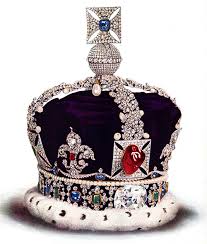
In Ogun state, the government has, for the second time, suspended the process for the selection of the next Awujale, the paramount ruler of Ijebuland over allegations of bribery.
95 contestants are jostling for the stool. Also, the stool of the Alaafin of Oyo, which 82 aspirants contested for, was marred by controversy last year when Governor Seyi Makinde rejected the choice of the kingmakers accusing some of them of collecting bribes to influence their choice.
Similarly, the coronation of Oba Ghandi Afolabi Olaoye, the Soun of Ogbomoso became the subject of litigation in October 2023 when an Oyo State High Court nullified his selection and installation before it was upturned by the Court of Appeal in February last year. The aggrieved party however insisted on proceeding to the Supreme Court.
From time immemorial, monarchs of towns in Yorubaland were believed to be chosen by the gods after consulting the Ifa Oracle. The names of Princes in the ruling house would be presented before the Ifa Priest who would consult the Oracle and whoever was the choice of the Oracle became the king. That process of selecting an Oba was passed down through generations.
If the gods of the land are believed to be involved in choosing an Oba for the town, why then should the selection and installation of a king be marred by controversy or degenerate to the level where the Supreme Court will now be the institution that will appoint a king for a community in Yorubaland? Could it be that the people no longer trust the Ifa Oracle to choose a king for them? Or has civilization opened their eyes to make them realize that the gods of their land who used to choose a king for their community in the olden days are dead and the living are the real gods who must choose their own king? The process of filling a vacant stool in some communities in Yorubaland has become very controversial and the contenders fight all the way to the Supreme Court.
Concerned Yoruba traditional practitioners in Yorubaland have lamented that respect for Ifa Oracle has diminished in practice. They argued that once the spiritual foundation of kingship is weakened, the legitimacy of the throne is questioned and this opens the door to court cases, public disputes and prolonged instability within the community. The stakeholders also accused the politicians and government officials of interfering in the process of selecting an Oba. They therefore suggested how the institution of kingship in Yorubaland can regain its sacred dignity. They stressed an urgent need to review and reform laws and regulations governing the selection and installation of traditional monarchs to help address loopholes and ambiguities that may contribute to controversies and conflicts.
Money, ambition, politics now take precedence over customs —Dr Fakayode
Dr Fayemi Fatunde Fakayode, President, International Council for Ifa Religion (ICIR) said:
“The controversy surrounding the selection and installation of traditional rulers in Yorubaland is deeply unfortunate and should ordinarily not occur in a system guided by sacred tradition. In the Yoruba worldview, kingship is not a political contest but a spiritual responsibility, and when the process is handled with sincerity and integrity, disputes are naturally avoided. The controversies we witness today arise because human interests such as money, personal ambition and political interference have taken precedence over established customs and spiritual order.
“The gods have not withdrawn from the process of choosing an oba, nor has Ifa lost its relevance or authority. Orunmila remains ever present and Ifa continues to provide clear guidance when consulted properly. However, the challenge is that many stakeholders no longer submit genuinely to the outcome of Ifa consultation. In some cases, the oracle is consulted merely as a formality after decisions have already been influenced by bribery or power struggles. When divine guidance is ignored or selectively accepted, confusion and conflict inevitably follow. This situation does not suggest that Ifa has failed, but rather that respect for Ifa has diminished in practice. Once the spiritual foundation of kingship is weakened, the legitimacy of the throne is questioned, and this opens the door to court cases, public disputes and prolonged instability within the community. A king may be installed, but without spiritual alignment, the peace and progress of the land are often compromised.
“To ensure a smooth and controversy-free selection and installation of a Yoruba king, there must be a sincere return to traditional principles. Ifa must be restored to its rightful position as the decisive authority in the process, and consultations must be conducted transparently and collectively by reputable and unbiased priests. Kingmakers must be held accountable not only by law but also by tradition, as their responsibilities are sacred and demand moral uprightness. Government
Vanguard











-

 News5 days ago
Easter: Osun Assembly Aspirant, Asiri Ede Congratulates Christians, Seeks Support For Oyebamiji
-
 News5 days ago
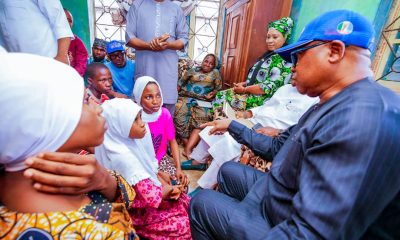
Osogbo Rainstorm: Oyebamiji Declares Academic Scholarship Up To University Level For Four Children Of Deceased’s Family
-
 News4 days ago
Gbenga Hashim Weighs PDP Exit as Reconciliation Efforts Collapse, Fears of Opposition Capture Grow
-
 News2 days ago
ADC Crisis Deepens As State Chairmen Reject David Mark, Nafiu Bala Factions; Announce Interim Leadership