
News
OAUTHC Gets N2.1bn Federal Allocation For Kidney Care
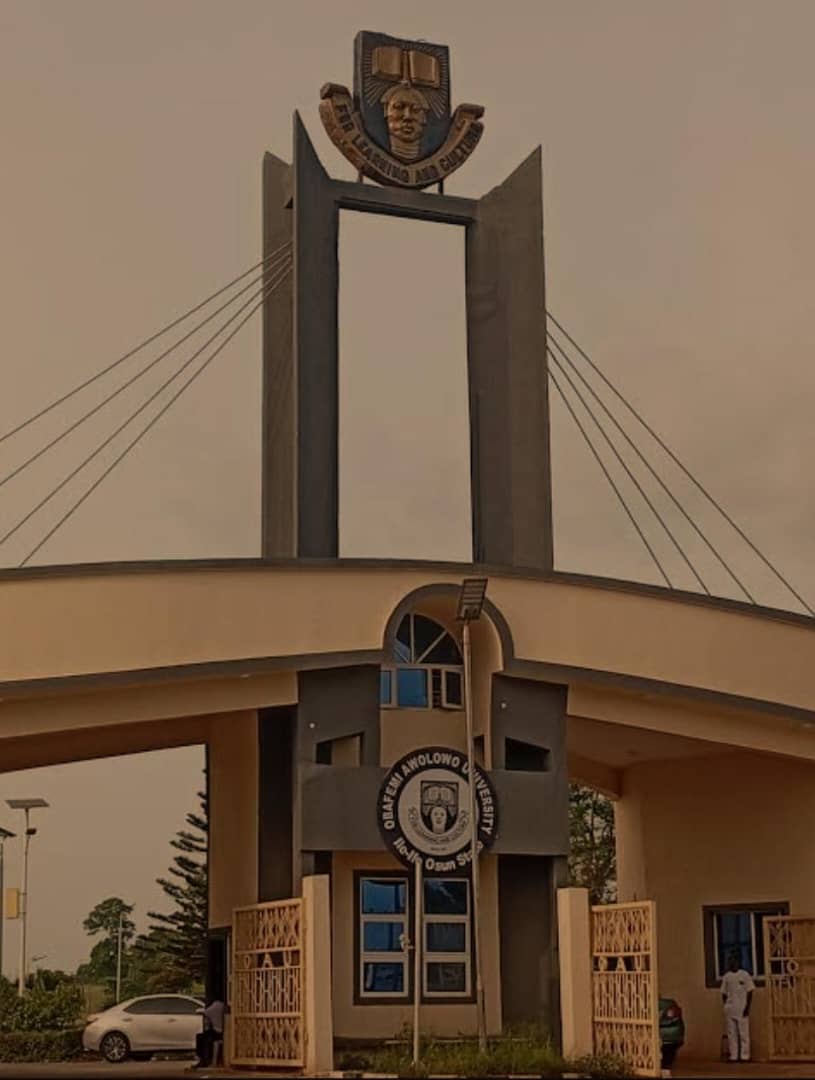
The Federal Government has approved and released N2.1 billion to the Obafemi Awolowo University Teaching Hospitals Complex (OAUTHC), Ile-Ife, Osun State, to strengthen renal treatment services and improve access to specialised kidney care.
The Chief Medical Director (CMD) of OAUTHC, Professor John Okeniyi, disclosed this during the hospital’s 50th anniversary celebration on Thursday, describing the funding as part of the Federal Government’s Renewed Hope Agenda.
He said the anniversary celebration also provided an opportunity to relaunch the hospital’s renal programme, aimed at making kidney care more affordable and accessible, particularly for patients requiring dialysis and other specialised renal treatments.
Okeniyi expressed appreciation to President Bola Tinubu for the funding, expressing optimism that the intervention would restore the hospital’s renal replacement therapy programme.
“I thank the President because we have up to N2.1 billion appropriated for our renal programme. By the time we do this and get the money, I believe the renal replacement programme is back. That is part of the Renewed Hope Agenda,” he said.
In his remarks, a former National Secretary of the All Progressives Congress (APC), Senator Iyiola Omisore, commended President Tinubu for the intervention, while calling for increased government investment in Nigeria’s healthcare sector.
He emphasised that healthcare remained fundamental to human existence and urged individuals and relevant stakeholders to support initiatives capable of improving people’s lives.
“Health is essential to life. That is why I consider this development by President Bola Tinubu’s administration laudable,” Omisore said.
Also speaking, Seyi Tinubu, who was represented by the Chairman of the Tinubu/Shettima grassroots mobilisation group, Lawal Umar, said the success of healthcare delivery should not be measured solely by policies and infrastructure but by the ability of ordinary Nigerians to access medical services, afford medicines and recover from illnesses.
He stressed the need for healthcare interventions to translate into tangible benefits for Nigerians, particularly those who require specialised medical attention.










Fadojoe Raises Alarm Over Threat to Nigeria’s Democracy, Calls for Judicial Independence

Veteran Nollywood Actor, Diewait Ikpechukwu Is Dead

Laide Bakare Reveals Why First Marriage Collapsed

Oyo APC Kicks Against Alleged Plan To Cede Agodi Fish Farm To Private Estate

2027 Presidency: Northern Women Begin House-to-House Campaign For Gbenga Hashim In Kano

2027: Ayonic Seeks Osogbo Assembly Seat, Promises Free UTME, Bursaries, Job Opportunities
-

 News4 days ago
Golden Jubilee: Osun Deputy Governor Launches ₦50m School Project At ACGS Ikirun
-

 News5 days ago
Academic Integrity: University Don Raises Alarm Over Plagiarism, AI Misuse
-

 News5 days ago
Suspected Bandits Reportedly Kill Police Officers En Route To Zamfara
-

 News3 days ago
2027: ‘Zaɓi Accord’ — Northern Residents Sing, Chant Gbenga’s Name