
News
Nigeria: New Tax Laws — What POS Operators Need To Know As Enforcement Begins
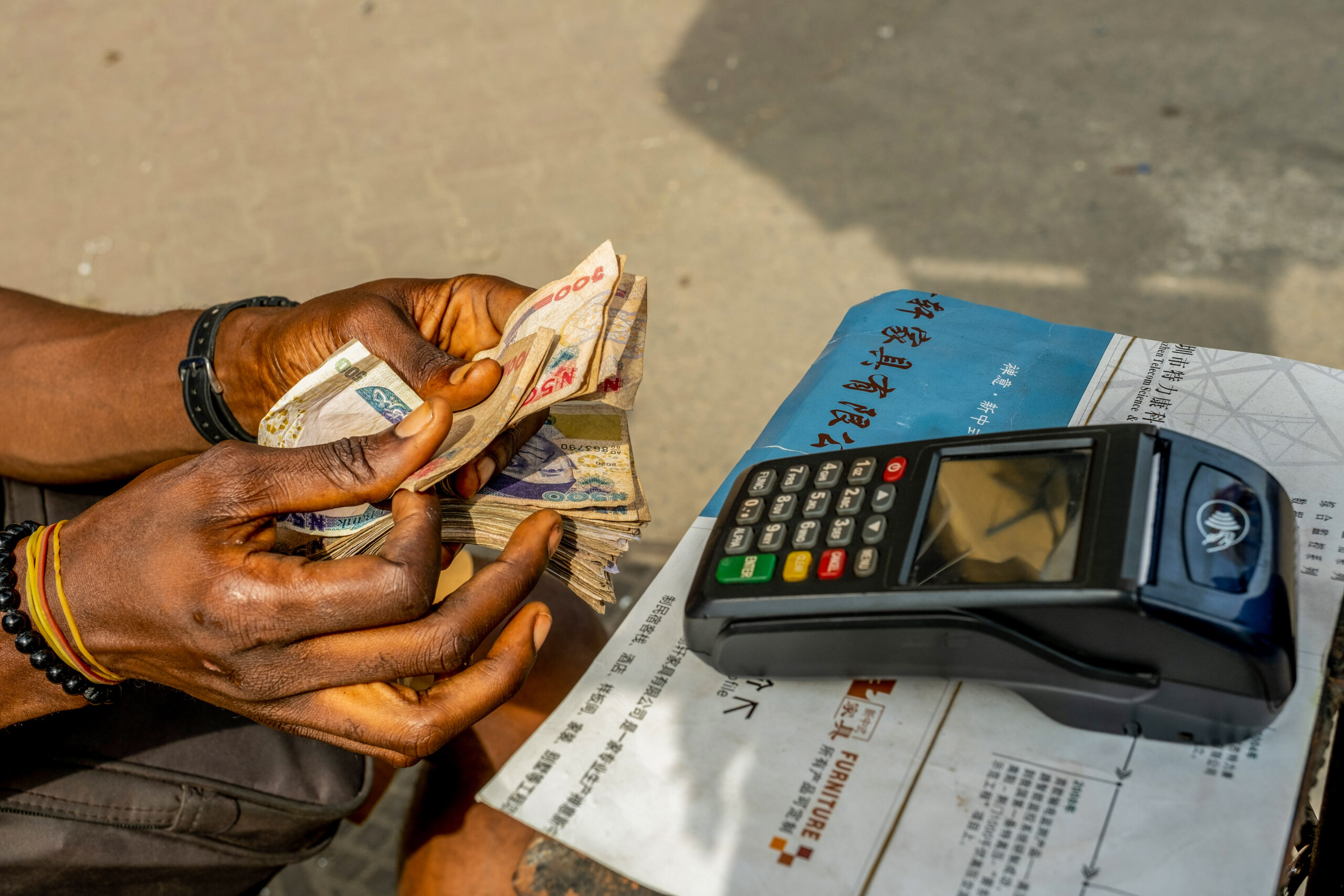
With the commencement of Nigeria’s new tax laws from January 1, 2026, operators of Point-of-Sale (POS) businesses have been urged not to panic, as the reforms largely classify them under small and micro-enterprise categories that enjoy significant protections under the new framework.
It would be recalled that the Federal Government in 2025 enacted far-reaching tax reforms aimed at modernising Nigeria’s tax system, expanding the tax base and improving compliance while shielding low-income earners and small businesses from excessive tax pressure.
The reforms are anchored on four major legislations, including the Nigeria Tax Act, the Nigeria Tax Administration Act, the Nigeria Revenue Service Establishment Act, and the Joint Revenue Board Establishment Act.
The new laws replaced several outdated tax statutes and introduced a unified, digital-driven system for tax registration, filing and enforcement across federal, state and local governments.
According to Tax experts, most neighbourhood POS operators are regarded as small business owners operating as sole proprietors. As a result, they are generally exempt from corporate income tax, capital gains tax and the newly introduced development levy, provided they fall within the turnover and asset thresholds prescribed by law.
Under the new regime, income earned from POS services is assessed under personal income tax, not company tax. Operators whose total annual earnings fall within the low-income threshold are exempt from paying personal income tax, while those earning above the threshold are taxed under progressive rates.
Also, under the structure, individuals earning up to ₦800,000 annually are exempt from personal income tax. Income above this threshold is taxed as follows: earnings between ₦800,001 and ₦3 million are taxed at 15 per cent; income between ₦3 million and ₦12 million attracts 18 per cent; earnings between ₦12 million and ₦25 million are taxed at 21 per cent; income between ₦25 million and ₦50 million is taxed at 23 per cent; while income above ₦50 million is taxed at 25 per cent.
Only the service charges and commissions earned by POS operators are considered taxable income. Funds that pass through POS terminals during withdrawals, transfers or deposits do not belong to the operator and are not treated as income for tax purposes.
For instance, if a customer withdraws ₦50,000 and pays a ₦300 service charge, only the ₦300 earned by the operator qualifies as income.
However, experts advise operators to also keep records of daily business expenses such as network charges, bank charges, electricity, rent and fuel, as these may be deducted from total earnings to arrive at taxable income.
Customers using POS services are not subject to any direct tax under the new laws. Charges paid at POS points remain service fees determined by operators and do not represent government taxes.
Registration has also become mandatory under the new framework. POS operators are required to obtain a Tax Identification Number to operate bank accounts smoothly and comply with enhanced monitoring rules. Banks may monitor high-volume POS accounts for transparency, but this does not amount to automatic taxation of deposits or customer funds.
The Federal Government says the reforms are aimed at widening the tax net in a fair and structured manner while protecting low-income earners and small businesses from excessive tax pressure.

-

 News5 days ago
Osun Reps Aspirant, Aremo Criticises Adeleke For Denying Youths Audience For Engagement, Giving Access For Entertainers
-

 News3 days ago
Herbert Wigwe, Late Access Bank CEO Linked To 106 London Houses
-

 News2 days ago
JUST IN: Amotekun Storms Kidnappers’ Hideouts, Rescues Five Victims In Ondo
-

 News3 days ago
APC Convention: Tinubu, 32 Govs, 8,453 Delegates Gather In Abuja