
News
Petrol Prices Still Too High, Nigerians Demand ₦200–₦500 Per Litre
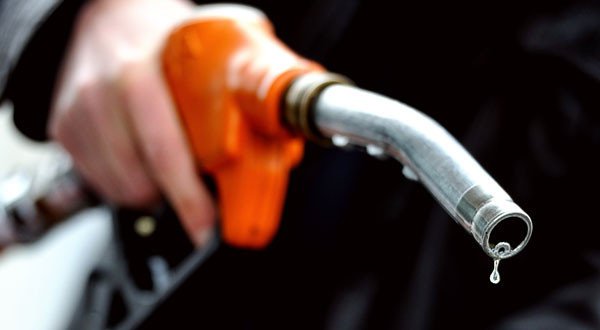
Amid rising energy costs, Nigerians spent about ₦1.3 trillion on Premium Motor Spirit (petrol) in June to power vehicles and electricity generators, as nationwide consumption reached 1.44 billion litres, according to the latest data from the Nigerian Midstream and Downstream Petroleum Regulatory Authority (NMDPRA).
Petrol remains the most consumed fuel in the country, driven by unreliable electricity supply that forces many citizens to depend on generators. Since the removal of petrol subsidies two years ago, spending on fuel has risen to record levels.
Data showed that Lagos, Ogun, and the Federal Capital Territory were the top consumers. In June, Lagos alone consumed 205.7 million litres valued at ₦185.1bn, followed by Ogun with 88.7 million litres (₦79.8bn) and the FCT with 77.5 million litres (₦69.8bn). Oyo received 72.8 million litres worth ₦65.5bn.Live cattle supply
At the lower end, Jigawa consumed the least, with 9.4 million litres (₦8.5bn), followed by Ebonyi (₦9.5bn), Yobe (₦10.5bn), and Bayelsa (₦10.7bn).
Regional Breakdown:
South-West: 452.9 million litres (₦407.7bn), led by Lagos, Ogun, and Oyo.
North-Central: 247.4 million litres (₦222.4bn), with the FCT at the top.
North-West: 230 million litres (₦207bn), with Kano as the highest consumer.
South-South: 224.9 million litres (₦202.9bn), led by Delta State.
Live cattle supply
North-East: 152.8 million litres (₦137.5bn), with Adamawa topping.
South-East: 132.7 million litres (₦119.6bn), the lowest nationwide, with Anambra as the highest consumer.
The figures highlight Nigeria’s uneven consumption patterns, shaped by population size, industrial activity, and vehicle density. Urban and commercial hubs such as Lagos, Ogun, Abuja, and Kano dominate demand, while less-populated states like Jigawa and Ebonyi consume significantly less. Live cattle supply
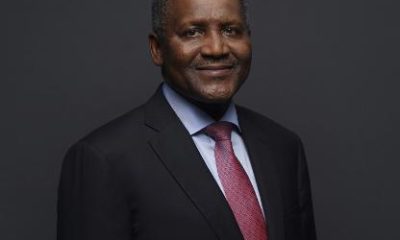
Meanwhile, Aliko Dangote, President of the Dangote Group, revealed that Nigerians currently pay only 55% of what neighbouring West African countries spend on petrol. He explained that his refinery sells petrol at between ₦815 and ₦820 per litre, while the regional average is about ₦1,600 per litre.
Following the removal of fuel subsidies on May 29, 2023, pump prices rose from around ₦200 per litre to as high as ₦1,200. However, the Dangote refinery has since implemented repeated price cuts, stabilising petrol below ₦900 per litre.
While many Nigerians welcomed the reductions, marketers lamented losses, and citizens continue to call for further cuts, insisting that only prices between ₦200 and ₦500 can ease inflation.
“The prices should drop to between ₦200 and ₦500, and you’ll see the impact on virtually all sectors of the economy. Selling petrol above ₦850 per litre is still high and causing inflation to spike,” said Lagos resident Favour Samson.Live cattle supply










-

 News5 days ago
‘You’re A Beacon Of Hope And A Mother To Many,’ Adelabu Lauds Mrs Oyetola At 66
-
 News4 days ago
Adeleke Summons IBEDC, Reassure Rainstorm Victims Of Emergency Support
-

 News5 days ago
Reconciliation Still Possible After PDP Factional Convention —Gbenga Hashim
-

 News4 days ago
Osun: Boluwaduro LG Flags Off Road Grading Across Communities