
News
Alase Dynasty Urges Osun Government, Ooni to Protect Òlà Traditions
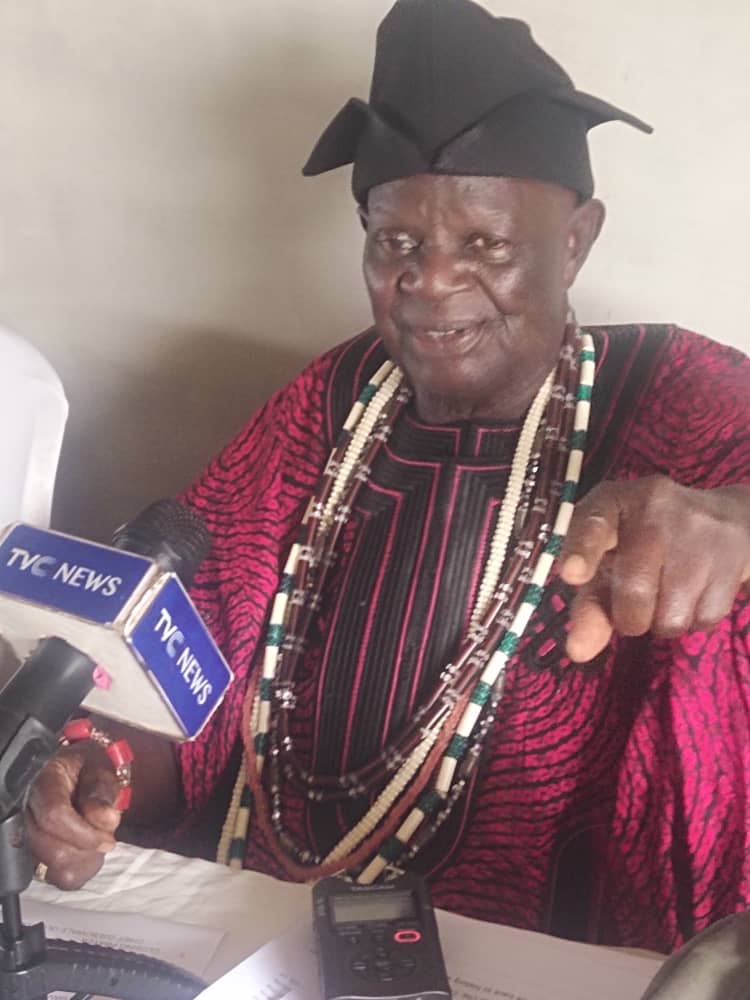
Alase Dynasty of Òlà Sets Records Straight on Town’s History and Tradition
The Alase Dynasty of Òlà, on Friday, clarified the true history and traditional order of the ancient town.
Speaking on behalf of the dynasty at the conference, the Alase of Òlà land, Dr. Olufemi Fasanya, while addressing a press conference in Oju Oja, Ola, emphasized that the Alase is a natural dynasty title and not a monarchical one, noting that recent developments had made it necessary to set the records straight.
According to the Alase family, Òlà was co-founded by two brothers, Lageesi and Akala, both grandsons of Oranmiyan. Lageesi, who later became the Alase, was the elder, while Akala, who became the Olola, was installed by his senior brother.
The dynasty maintained that the Alase throne is foundational and holds traditional authority, while the Olola position was created as a delegated kingship role. This, they said, has been wrongly distorted in recent times.
The news conference also highlighted what the dynasty described as misrepresentations of Òlà traditions, including the unlawful installation of Mr. Bayo Busari as Oosa of Òlà without Alase family consultation.
Other distortions mentioned included derogatory claims against past Alases, such as Amao Okelanwa and Akojede, as well as the desecration of sacred customs like the Ìpèbí rites, the symbolism of Akoko leaves, and the oríkì of Afaree and Iyakee.
The dynasty called on the Osun State Government, under Governor Ademola Adeleke, to urgently intervene and ensure that the Olola of Òlà, Oba Johnson, refrains from actions that could promote division or distort history.
The statement further appealed to the Osun State Traditional Council, under the chairmanship of the Ooni of Ife, to mediate in the matter and safeguard the cultural heritage of the community.
The Alase Dynasty re-affirmed that it is not contesting the crown of the Olola but remains committed to its sacred duty as the original founder and custodian of tradition in Òlà. The family, however, insisted it would not accept any erosion of its role or obstruction of its ancestral responsibilities.
The conference concluded with a call for unity, reconciliation, and development, stressing that Òlà can only rise again through truth, respect for tradition, and collective commitment to peace and progress.

-

 News5 days ago
‘You’re A Beacon Of Hope And A Mother To Many,’ Adelabu Lauds Mrs Oyetola At 66
-
 News4 days ago
Adeleke Summons IBEDC, Reassure Rainstorm Victims Of Emergency Support
-

 News5 days ago
Reconciliation Still Possible After PDP Factional Convention —Gbenga Hashim
-
 News4 days ago
ADC Crisis Rooted In Legal Process, Not External Influence — Lawyers Explain