

News
Health Experts Urge Early Detection As Osun Records Over 4,000 TB Cases
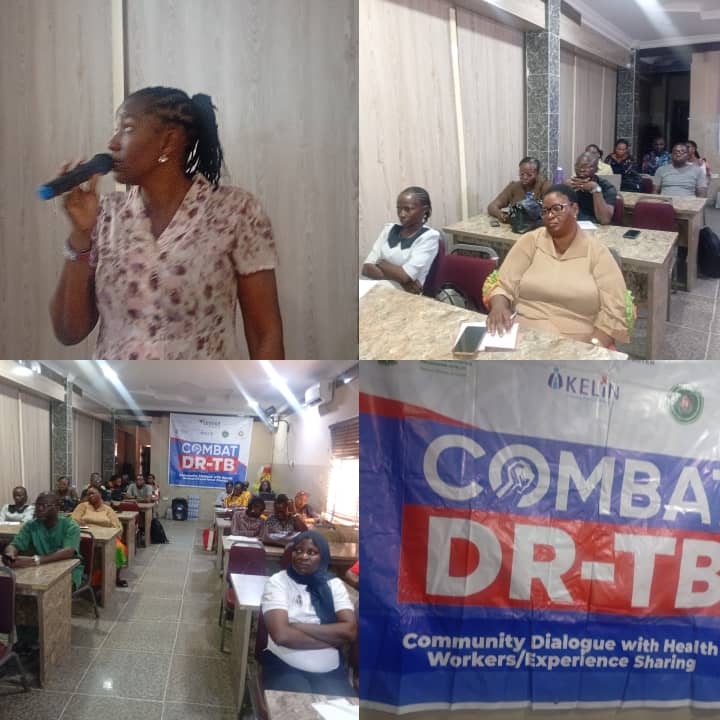
Health workers in Osun State have called on the state government to recruit more medical personnel into tuberculosis (TB) treatment centres, warning that staff shortages are putting pressure on existing workers and affecting healthcare delivery.
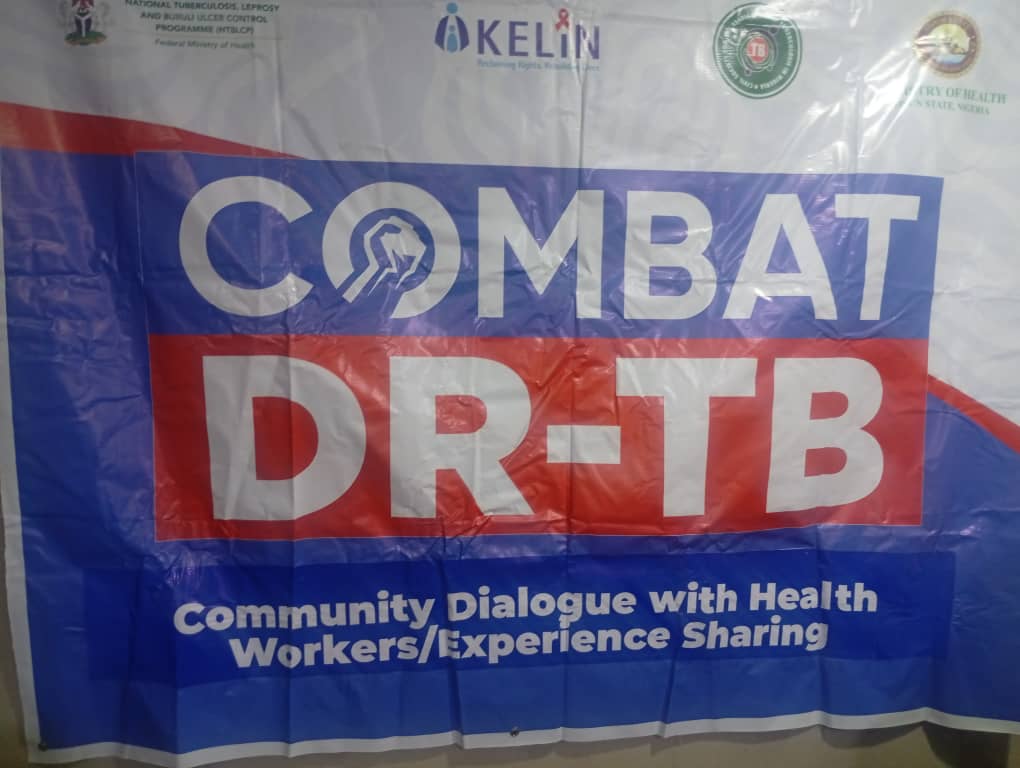
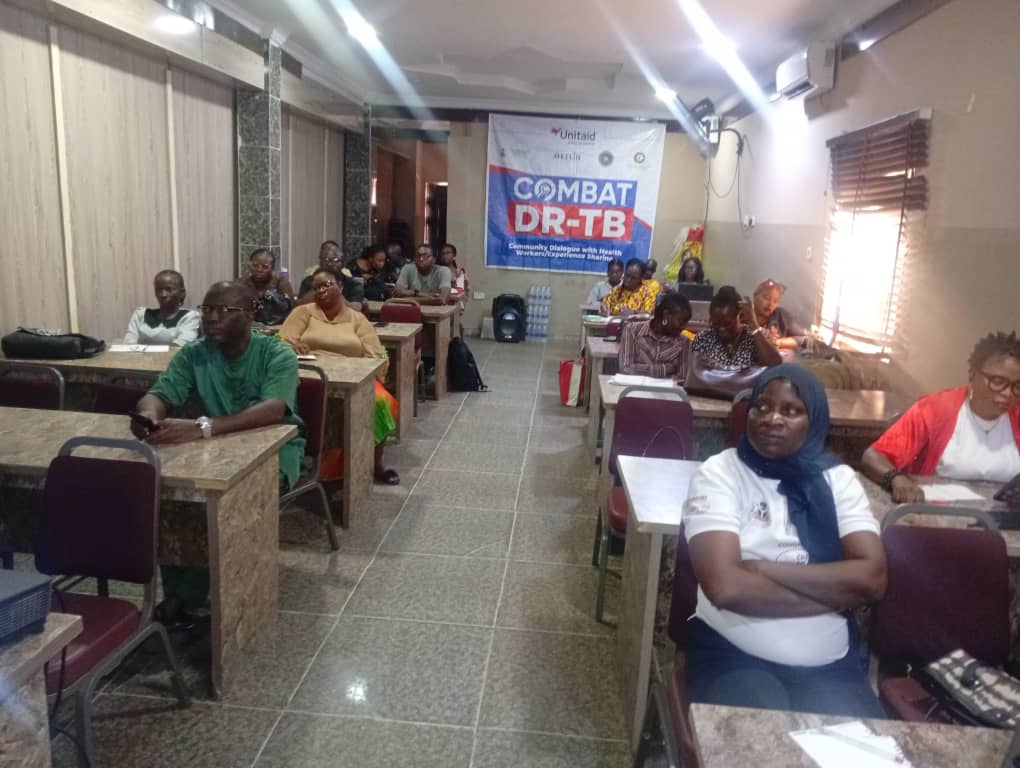
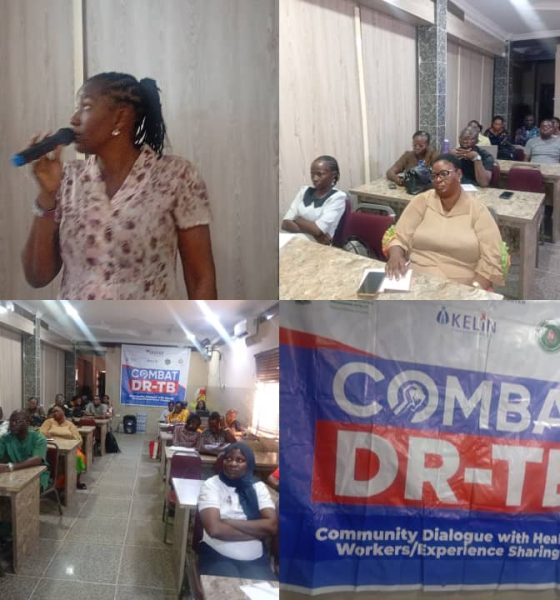
The call was made at a community dialogue and experience-sharing session organised in Osogbo on Tuesday, November 10, 2026, in partnership with the National Tuberculosis, Leprosy and Buruli Ulcer Control Programme (NTBLCP), KELIN and the Osun State Ministry of Health.
The engagement was aimed at addressing challenges affecting tuberculosis and drug-resistant tuberculosis (DR-TB) treatment, strengthening collaboration between health workers and community-based organisations, and improving public awareness and access to treatment.
Speaking at the event, the Osun State Programme Manager for Tuberculosis, Leprosy and Buruli Ulcer Control, Dr Oladimeji Rotimi Akanni, disclosed that the state recorded more than 4,000 tuberculosis cases in the third quarter of 2026.
Akanni described the state’s response to the disease as progressive but said more efforts were needed, particularly in public enlightenment, early detection and adherence to treatment.
He urged residents who experience persistent cough lasting two weeks or more to seek medical attention instead of dismissing the symptom as an ordinary respiratory infection.
“Most of us are used to coughing, but when someone is coughing for two weeks or more, they should seek medical attention,” he said.
The programme manager stressed that patients diagnosed with tuberculosis must complete their prescribed medication, which could last for at least six months, warning against stopping treatment once they begin to feel better.
He also called for sustained public enlightenment through radio programmes, billboards and other information, education and communication platforms to improve awareness and encourage early presentation at health facilities.
Akanni noted that Nigeria remained one of the countries with the highest tuberculosis burden globally, adding that although Osun was not among the states with the highest number of reported cases, more needed to be done to control the disease.
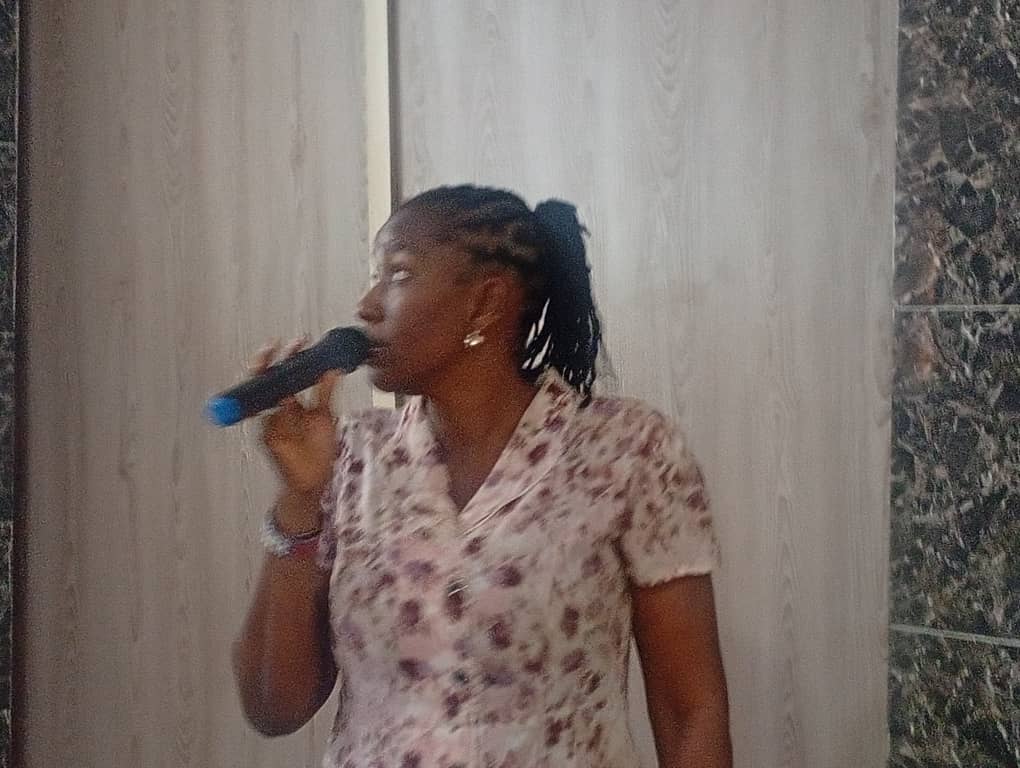
Also speaking, the Zonal Programme Officer of the Civil Society for the Eradication of Tuberculosis in Nigeria (TB Network), Abosede Ojo, raised concerns over inadequate manpower in some treatment facilities, despite the large number of patients they attend to.
Ojo said some health facilities had only two or three doctors attending to numerous patients, a situation she warned could undermine the efficiency and quality of healthcare services.
She appealed to the Osun State Government to recruit more medical personnel, particularly specialists, to strengthen tuberculosis treatment and control efforts.
“The government should try and employ more people into the system, especially the experts, because they are the frontline people. If one of the few people available becomes weak, who are the people that are going to do the work?” she asked.
She attributed the manpower challenge partly to the retirement of some health workers and the migration of others abroad, saying the developments had further reduced the number of personnel available to attend to patients.
Ojo explained that the dialogue brought together health workers and community-based organisations to identify challenges affecting TB and DR-TB treatment and develop recommendations for improved service delivery.
She added that participating community-based organisations would extend awareness campaigns to communities, churches and other public gatherings to educate residents about drug-resistant tuberculosis, its symptoms and available treatment options.
According to her, public enlightenment should also emphasise that tuberculosis is treatable and that medication is provided free of charge, urging residents with prolonged cough to visit health facilities for proper medical assessment.
The organisers said the engagement was designed to provide a platform for frontline health workers to share experiences, identify gaps in tuberculosis treatment and strengthen community participation in the state’s response to the disease.










OGMA Opens Nominations For Adeleke Administration’s First-Term Governance Merit Awards

Osun Lawmaker Donates 1,105 Books To UNIOSUN In Honour Of Late Father-in-Law

Osun Poly, College Of Technology, Health College Lecturers Give Adeleke 15-Day Ultimatum Over Unpaid Allowances

Tinubu Govt Faces US Scrutiny As Congress Sets Hearing On Alleged Christian Persecution In Nigeria

Gov Abba: Four Hours Standing For The Talakawas By Abdulmalik Suleiman

N50,000 Relief: Tinubu’s Cash Transfer Sparks Transparency Concerns
-

 News5 days ago
SSACO: Makinde, Adekanmbi Dodging Questions on LG Paralysis, Poor Hospitals, 674,000 Out-of-School Children
-
 Education4 days ago
Reps Query JAMB Over N3b Pension Payment, N710m Computer Spending
-
 News4 days ago
FG Blames Gas Shortage As Power Outages Hit Five States
-

 News4 days ago
2027: Ayonic Seeks Osogbo Assembly Seat, Promises Free UTME, Bursaries, Job Opportunities