
Health
FG Moves To Curb Medical Tourism, Boost Health Sector — Minister
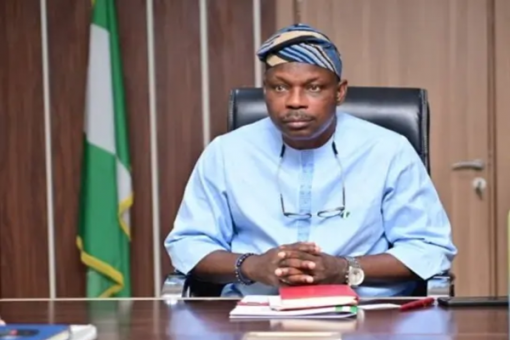
…..Nigeria to become medical hub in West Africa
The federal government has announced plans to reduce the number of Nigerians seeking medical care abroad by strengthening the country’s health sector.
Minister of State for Health, Dr. Iziaq Salako, disclosed this on Friday at the Nnamdi Azikiwe International Airport, Abuja, upon his return from the BRICS health conference in Brazil.
Dr. Salako noted that many countries face similar health challenges, including neglected tropical diseases like tuberculosis and leprosy, as well as non-communicable diseases such as hypertension and diabetes.
He said the conference provided an opportunity for nations to explore cooperation and knowledge-sharing to tackle these issues.
The minister also emphasised the importance of improving data governance, integrating artificial intelligence, and strengthening digital health systems as part of efforts to develop a more efficient healthcare framework in Nigeria and globally.
“All these are very useful for us to align because one of the key priorities of President Bola Tinubu is to reverse the direction of medical tourism from outbound to inbound. A lot more can be done in the country.
“Quite several people who would have gone abroad for health care will now be staying in Nigeria. We also see the possibility of also servicing the entire West African region.
“Nigeria is the only West African country as a member of BRICS, so we see a lot of possibilities around that. As you know, Nigeria became a partner member this year, which is a recognition of the strategic position of Nigeria as a country by the Organisation.”
While highlighting some of the issues discussed at the conference, Salako said the conference was an opportunity to discuss global health issues.
He said there were discussions around issues like universal health coverage, health insurance, domestic manufacturing of pharmaceuticals and vaccines, prevention, control of non-communicable diseases and others.
“Most of these issues align with the priority agenda of the President within the health sector. So it was an opportunity for us to showcase some of the reform agenda that are ongoing, and also express our interest in strengthening South-Side cooperation, particularly when we discuss with China, Brazil and other big countries.
“If you look at some of the capacities of countries like China within pharmaceutical or manufacturing, India, which produces virtually 60 per cent of the pharmaceuticals in the world, or even Brazil, which is also very strong within technological space, we had to dialogue with them.
“A strategic dialogue mechanism has already been established in Brazil, and before the end of this month, there will be an MoU to strengthen relationships”, the Minister explained.
Salako said government efforts are meant to create an alternative to what the people are used to, particularly within the ambit of the challenges that currently face the global health financing.”
In January this year, in recognition of the strategic position of Nigeria and demonstration of confidence in the country, Nigeria was admitted as a partner country of BRICS.
BRICS (now BRICS+) was formed 16 years ago and consists of some of the most populous and influential nations in the world (Brazil, Russia, India, China, South Africa, Indonesia, etc) who are cooperating to reform global governance and advocating for the interests of the Global South. BRICS+ represents 46% of the world’s population and 25% of the world’s landmass.
Source:The Nation













Kaduna: Accord Party Stakeholders Express Solidary For Hashim’s 2027 Presidential Bid

Amuloko To The World: The Meteoric Rise Of Olalekan, A Photography Genius

Osun Belongs To All Of Us — Party Chairmen Unite For Historic Peace Summit

Osun 2026: APC Will Reclaim Osun in 2026, Adereti Tells Supporters

Bode-Osi Obaship Tussle: Kingmakers, Indigenes Urge Adeleke To Call Akinleye To Order
Federal Judge Voids Trump’s $100,000 Fee Requirement For H-1B Visas
-
 News2 days ago
Despite Resignations Of Some Members, We Remain Undaunted, Unshakeable, Osun APC Assures Members, Public
-

 Opinion3 days ago
Rising Allocations, Failing Infrastructure: Why Nigerians Are Asking Hard Questions By Adeboye Adebayo
-
 South West News4 days ago
Oba Adebisi Installs New High Chief Orisa
-
 News5 days ago
Osun NDP Rules Out Governorship Race, Endorses Senatorial Aspirants Ahead Of Election